

THE WILD TRAVELER | LIFE ON AN ADVENTURE
Sometimes the hardest part of an adventure isn’t learning to surf, hiking a mountain, or breathing underwater for the first time. It’s showing up on day one without knowing anyone.
It’s one of the questions we hear most often from teenagers thinking about joining a Wild Traveler trip:
“What if I don’t know anybody?”
It’s a reasonable question. Traveling somewhere new is exciting, but arriving without a familiar face can feel intimidating.
Here’s something that might surprise you.
Most Wild Traveler participants arrive on their own.
Some come with a friend, but many arrive without knowing a single person in the group. And that’s actually one of my favorite things about the experience.
I’ve spent years working with teenagers in outdoor education and adventure travel, and I’ve watched countless groups come together. One thing I’ve learned is that friendships don’t always need a lot of time to begin. Sometimes they just need the right opportunity.
And at The Wild Traveler, those opportunities begin the moment you arrive.
It Starts at the Airport, Not the First Activity
We don’t wait until everyone reaches camp to start bringing the group together.
On arrival day, we meet every participant at baggage claim. In fact, we usually find our travelers before they find us.
Waiting to greet them is one of our trip leaders, often accompanied by a few participants who have already arrived.
That means your first introduction isn’t necessarily to the entire group of strangers. It might be to your trip leader and two other teenagers who were in exactly the same position an hour earlier.
The conversations start pretty quickly.
As everyone arrives, we create a little Wild Traveler “basecamp” at the airport. We’ve got snacks, card games, a ukulele, and materials for making a calendar for the adventure ahead.
Instead of simply sitting around waiting for the next flight to land, participants and leaders have something to do together. Some play cards, others start conversations, and before long, people are laughing and getting to know one another.
It’s a small part of the overall adventure, but an important one.
By the time the last traveler arrives, the group has already started becoming a group.
The First Couple of Days Matter
Some teenagers arrive ready to talk to everyone. Others are quieter and prefer to take a little time to get comfortable. Some are excited about the activities but nervous about meeting new people.
All of those reactions are completely normal.
We don’t expect everyone to become best friends in the first hour. And we certainly don’t expect everyone to have the same personality.
But we do put a lot of thought into creating opportunities for everyone to feel comfortable and included.
That happens through introductions, group activities, shared meals, and the everyday responsibilities that come with traveling together.
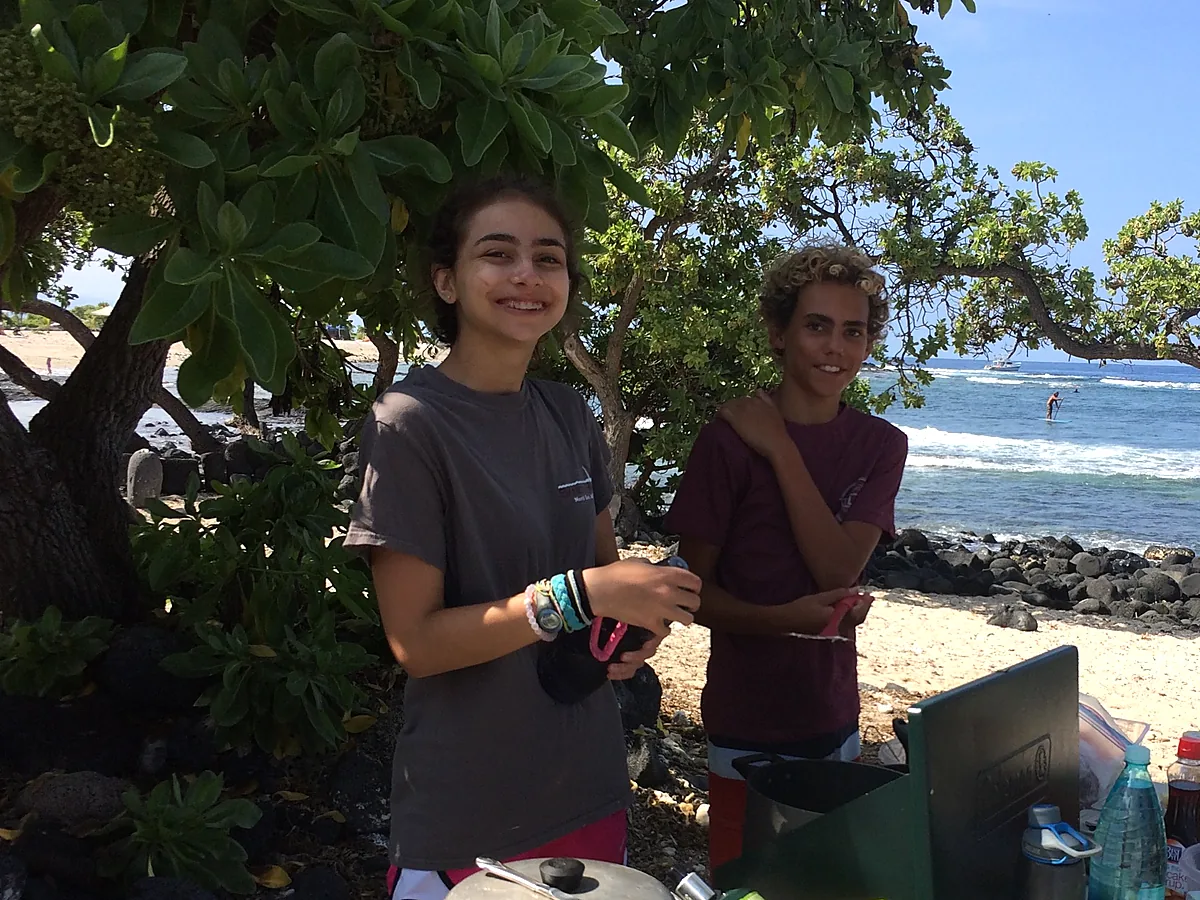
Participants help prepare meals, clean up, organize equipment, and take on responsibilities as part of the group.
These aren’t just chores. They’re chances to work with different people, solve little problems, have conversations, and laugh together.
And then, of course, there’s the adventure itself.
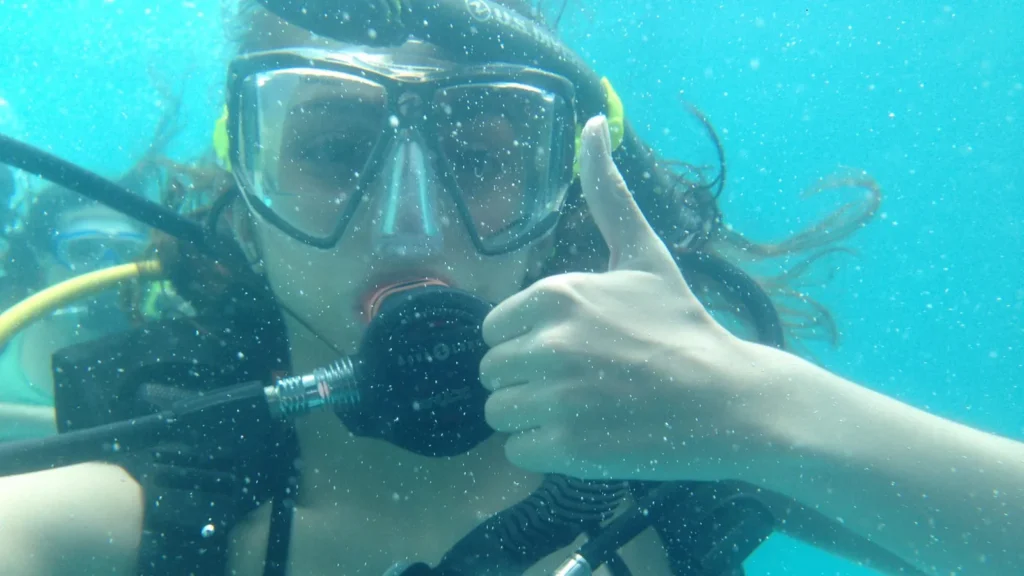
It’s much easier to start a conversation when you’ve just spent the afternoon learning to surf together or you’ve both discovered how strange it feels to breathe underwater for the first time.
Shared experiences have a wonderful way of getting conversations started.
Chow Circles, Campfires, and the Newlyfriend Game
Some of our favorite group traditions aren’t even part of the main itinerary.
Before meals, for example, we gather everyone for what we call a Chow Circle.
It’s a moment to bring the group together before sitting down to eat. Sometimes there’s information to share, something to celebrate, or simply an opportunity to reconnect after a busy morning or afternoon.
It’s one of those little routines that helps everyone feel part of the same community.
Evenings are another favorite part of the experience.
Our evening programs are led by trip leaders and participants, and they can take all sorts of forms. Sometimes we’re stargazing, sharing stories, or enjoying a campfire and s’mores. Other nights we’re learning something new or playing games together.
We’ve had plenty of fun with games like Salad Bowl and Mafia. And my newest favorite is something called The Newlyfriend Game.
It’s amazing how much fun a group can have simply getting to know one another a little better.
These moments aren’t about keeping everyone entertained every second of the day. They’re about creating shared experiences, helping everyone participate, and building a group where people genuinely enjoy spending time together.
And somewhere along the way, the teenagers who were strangers at baggage claim start feeling like old friends.
Sometimes the Best Moments Aren’t on the Itinerary
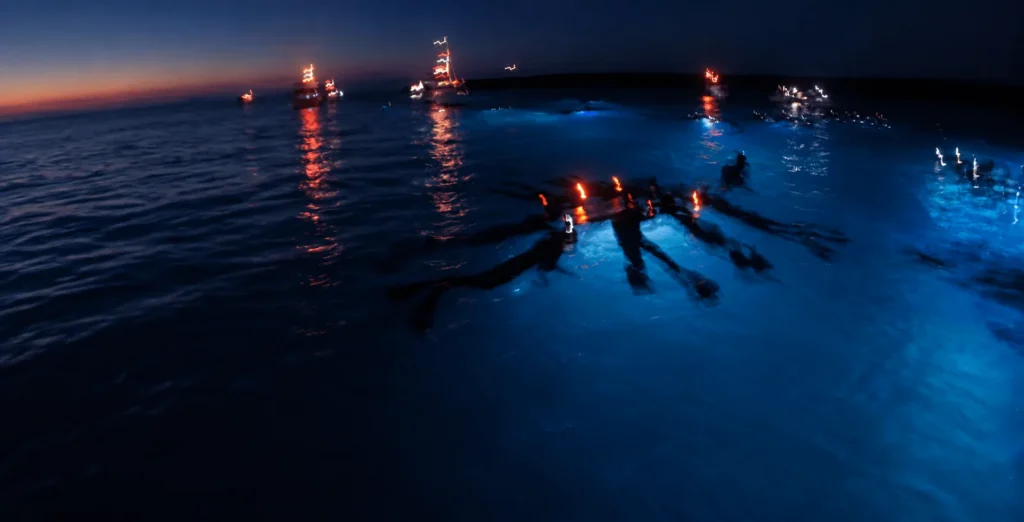
When people look at our Hawaiʻi adventure, they see SCUBA diving, surfing, manta ray snorkeling, and incredible places to explore.
Those are certainly some of the highlights.
But I’ve always believed that some of the best moments happen between the big activities.
It’s a group of teenagers playing cards after dinner. A conversation on the beach. Someone teaching another participant how to make a coconut bracelet. Or a few travelers laughing about something that happened earlier in the day.
We also believe downtime is important.
Traveling and trying new things can be tiring. Sometimes participants just need a little time to relax, read, or unwind.
But there’s usually something happening for anyone who wants to join in.
Our trip leaders might start a card game or a conversation, and participants are often just as good at bringing others into the fun.
Those spontaneous moments are part of the experience, too.
Over time, everyone develops their own place within the group. There are inside jokes, favorite games, shared stories, and plenty of little memories that never appear on the itinerary.
That’s what makes a trip feel like more than a collection of activities.
Our Trip Leaders Help Make Those Connections Happen
One of the most important parts of The Wild Traveler experience is our trip leaders.
They’re not simply there to organize transportation, supervise activities, or make sure we arrive at the right place on time.
They’re there to work with teenagers.
Our programs have no more than 12 participants, accompanied by two Wild Traveler trip leaders. That small-group environment gives our leaders the opportunity to really get to know everyone.
They’re encouraging and supportive, and they’re particularly good at helping participants connect with one another.
Sometimes that means inviting someone into a game or introducing two students who share an interest. Sometimes it’s giving a quieter participant a chance to contribute or helping a group work through a small challenge together.
It also means celebrating the things that happen along the way.
We celebrate the big accomplishments, like completing a challenging activity or trying something entirely new. But we also recognize the smaller moments, like someone stepping outside their comfort zone, helping a friend, or making progress at something they initially found difficult.
We move through the adventure together, supporting and encouraging one another along the way.
And our trip leaders are very much a part of that experience.
You Don’t Have to Be Outgoing to Belong
One misconception about adventure travel is that you need to be naturally outgoing to enjoy it.
You don’t.
Some of the most rewarding experiences I’ve seen involve quieter students who gradually become more comfortable participating, sharing their ideas, and connecting with others.
Not everyone wants to be the center of attention. And not every teenager needs the same amount of time to settle into a new group.
Our leaders understand that.
They pay attention to group dynamics, encourage inclusive activities, and help participants find opportunities to connect in ways that feel comfortable.
And with so many different kinds of experiences throughout a trip, there are plenty of opportunities to discover common interests.
You might connect with someone while surfing, someone else over a card game, and another participant during a late-afternoon conversation at the beach.
The goal isn’t to turn everyone into the loudest person in the group.
It’s to create an environment where different personalities can feel comfortable being themselves.
What If I Don’t Make Friends Right Away?
Not every friendship happens instantly, and that’s okay.
Even in a great group, it can take time to feel connected.
That’s why our leaders stay actively involved in group life rather than simply supervising the day’s activities.
They help create opportunities for participants to get to know one another, encourage inclusive behavior, and support students through the little social challenges that sometimes come with traveling together.
We also change up activities and group responsibilities throughout the trip, giving everyone opportunities to spend time with different people.
And if something isn’t going well, we want participants to feel comfortable talking with their leaders.
We can’t promise that every person will become best friends with everyone else. But we do put real care and effort into creating a welcoming, positive group experience.
What If I’m Coming With a Friend?
That’s great, too.
Some travelers sign up with someone they already know, and having a familiar face can make the beginning of a trip a little easier.
But we encourage everyone to get to know the whole group.
Part of the fun is meeting people outside your usual circle of friends, especially people from different places and backgrounds.
Whether you arrive with a friend or completely on your own, we want everyone to feel like they’re part of the same adventure.
For Parents: The Group Experience Doesn’t Happen by Accident
If you’re a parent, you might be wondering how your teenager will adjust to being away from home and spending time with people they’ve never met.
Those questions matter just as much as questions about activities, accommodations, and safety.
When I design an outdoor education or adventure travel program, I think about both the experiences students will have and the environment we’re creating around them.
That’s why we pay attention to things like the first airport greeting, small-group activities, shared responsibilities, Chow Circles, evening programs, and the role our trip leaders play in connecting participants.
Individually, these might seem like small things.
But together, they help create an environment where teenagers can feel included, build confidence, develop friendships, and enjoy being part of a group.
We want participants to feel supported while also having opportunities to become more independent, take responsibility, and try new things.
It’s a big part of what makes a Wild Traveler trip different from simply taking a vacation with a group of teenagers.
You Might Arrive Alone. But You Won’t Be Adventuring Alone.
Over the years, I’ve heard plenty of teenagers talk about the incredible things they did on their adventures.
They remember surfing, diving, hiking, and exploring places they’d never imagined visiting.
But they also talk about the people.
The friendships. The funny moments. The conversations. The card games. The things that made everyone laugh around the dinner table.
And that’s one of the most rewarding parts of this work for me.
Watching a group of teenagers arrive without knowing one another, gradually become comfortable, and discover how much they enjoy traveling together.
So if you’re thinking about joining a teen adventure trip but you’re worried about coming alone, know that you probably won’t be the only one feeling that way on day one.
Bring your curiosity, be willing to try something new, and give yourself a little time to settle in.
There’s a good chance your first new friend will be waiting for you at baggage claim.
And that’s just the beginning.