FREQUENTLY ASKED QUESTIONS
GOOD TO KNOW BEFORE YOU GO.
Here are answers to some of the questions we hear most often about our
Hawaiʻi & Kauaʻi teen adventure.
Still have a question? Send us an email or submit an inquiry online.
We’re always happy to help.
01.
WHAT IF I COME BY MYSELF?

Most participants do.
You do not need to bring a friend to have a great experience. In many ways, arriving on your own creates the opportunity to step outside your usual circle and become part of an entirely new group.
Two weeks later, saying goodbye is often one of the hardest parts.
02.
WHAT ARE THE DAYS LIKE?
There is no single “normal” day in Hawaiʻi.
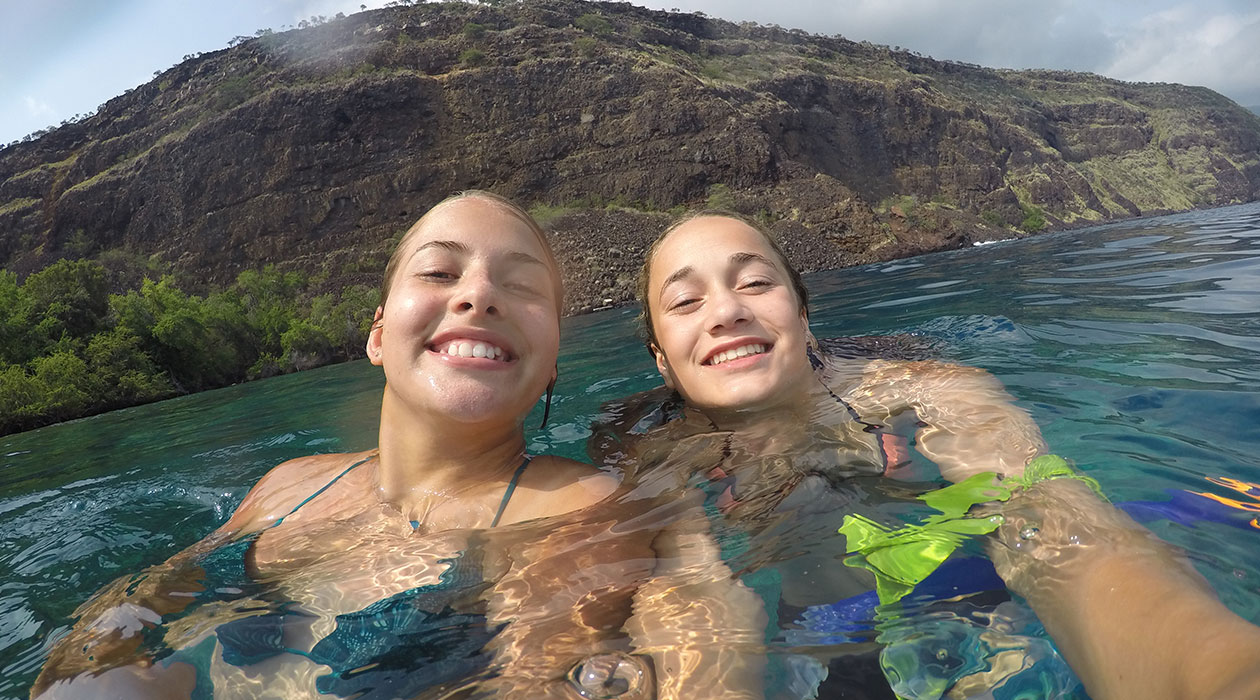
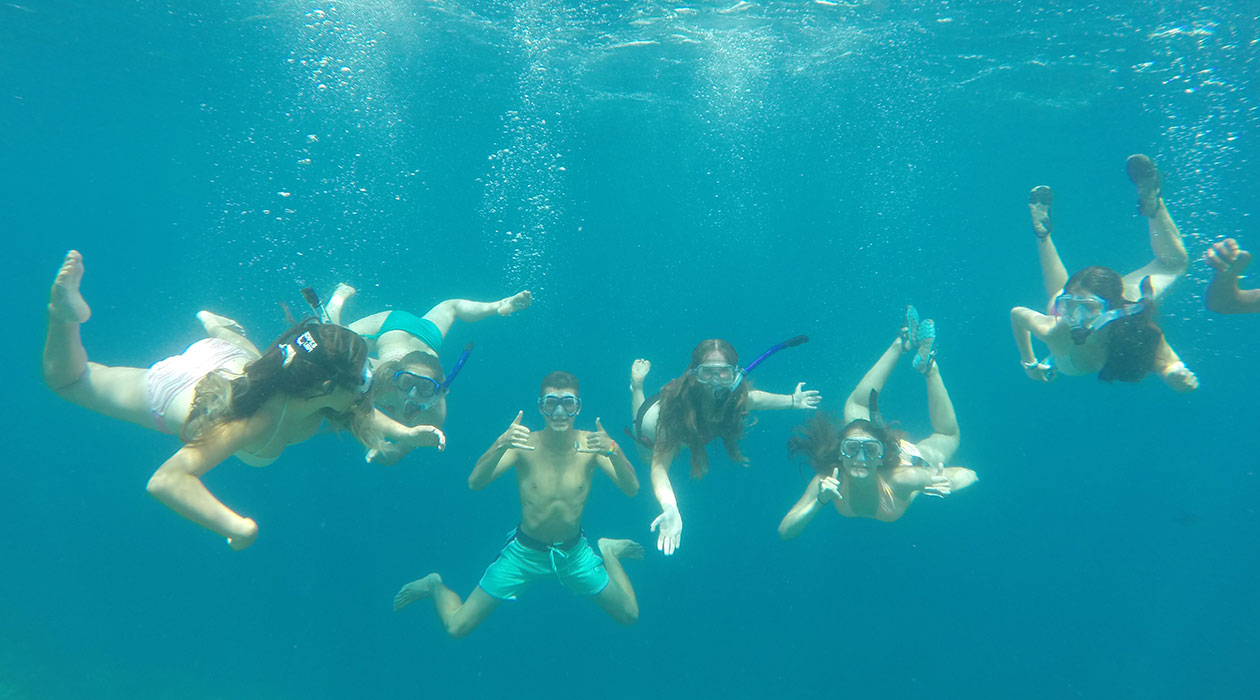
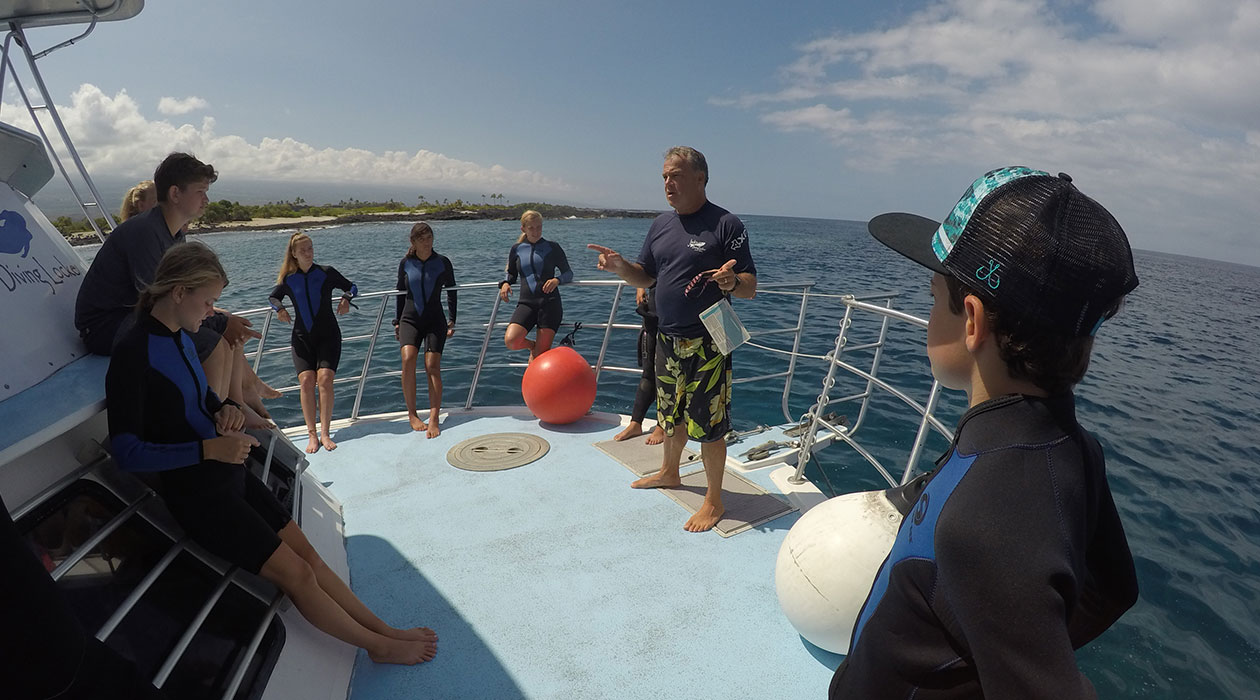
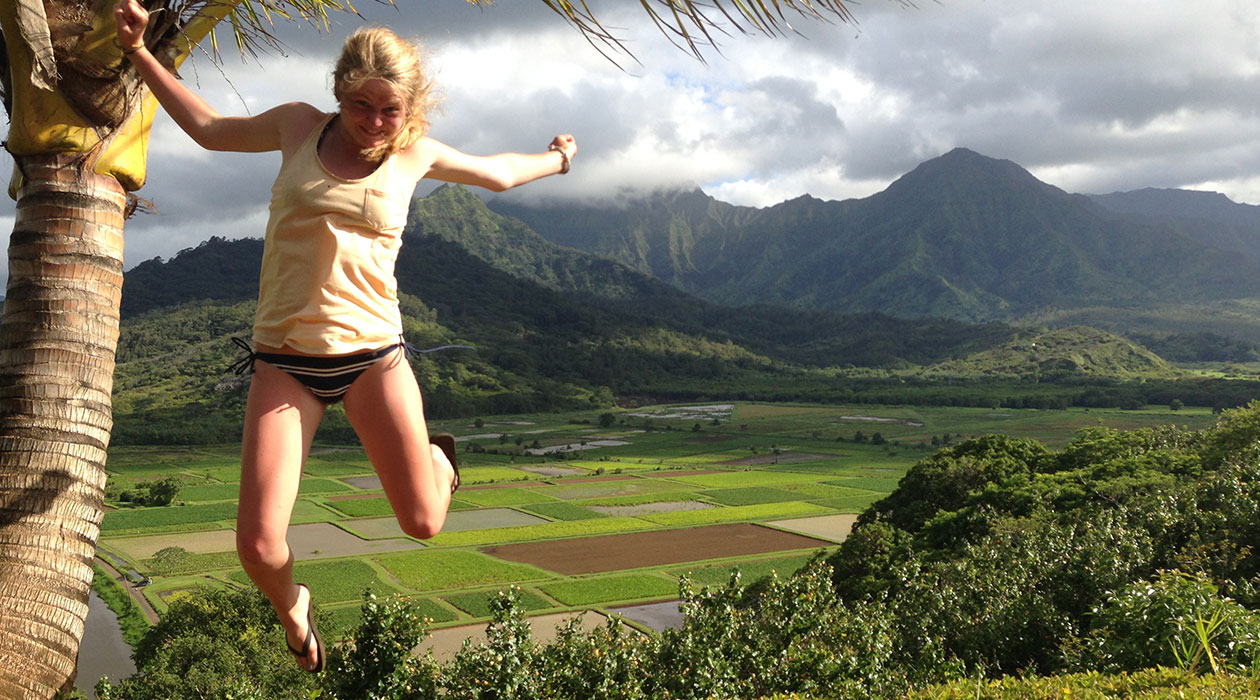
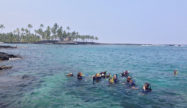
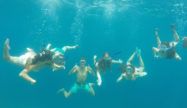
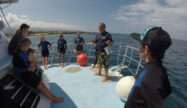
One morning might begin with breakfast at camp before heading out for a dive. Another might start early for a long hike. Some days are spent almost entirely in the ocean. Others involve service, cooking, learning, exploring, or simply spending time together at camp.
Days have structure, but they are not rushed from attraction to attraction. We deliberately build in time to notice where we are, learn from the people and places around us, and let the group become part of the experience.
03.
WHAT DO I NEED TO BRING?
Families receive a program-specific packing list before departure.
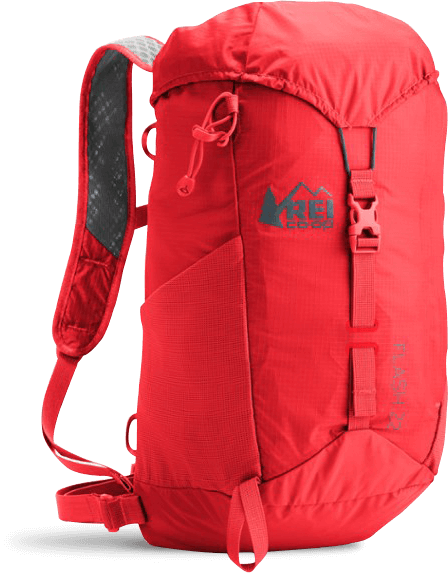
We provide group and specialized activity equipment. Students bring the personal clothing, camping equipment, and other items identified on the list.
You do not need to buy the most expensive outdoor equipment. If you have questions about an item or need recommendations, contact us before purchasing anything.
04.
HOW DO WE GET AROUND?
The group travels together throughout the program using passenger vehicles and inter-island flights.
We deliberately minimize unnecessary driving and use our travel days as part of the experience. Moving between communities, landscapes, and islands helps students begin to understand Hawaiʻi as a connected place rather than a collection of individual attractions.
05.
WHAT ABOUT SHOWERS AND LAUNDRY?
We camp, but this is not a two-week wilderness expedition.
Most of our camping locations provide access to bathrooms and showers, and we build opportunities for laundry and personal organization into the program.
Students quickly develop their own rhythm for keeping themselves and their gear reasonably clean while living outdoors.
06.
HOW DO PARTICIPANTS STAY IN TOUCH WITH HOME?
We want participants to be fully present in the experience, with the group, and in the places we are traveling through. For that reason, participants turn in their phones at the start of the program, after arriving in Honolulu and having an opportunity to call home.
Participants are not cut off from their families. If a participant would like to call home during the program, we will make that happen. Likewise, if a parent or guardian needs to speak with their child, they can call or email us and we will arrange contact as soon as possible.
We also have every participant call home around the midpoint of the trip.
Throughout the program, families can follow along through our trip blog. We post updates, stories, and photos from the group approximately every two to three days, giving families a window into what we have been doing while allowing participant to stay focused on the experience in front of them.
07.
WHAT IS THE FOOD LIKE?
Food is a surprisingly big part of the trip.
Participants help plan, shop for, prepare, and clean up meals with guidance from their leaders. Meals are plentiful and designed to fuel active days, and there are snacks available throughout the program.
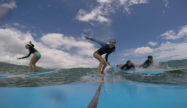
Cooking together also becomes part of group life. There is something satisfying about sitting down to a meal you helped make after a day spent surfing, diving, hiking, or exploring.
Please contact us in advance about allergies or dietary requirements so we can determine how they can be accommodated.
08.
HOW DO YOU APPROACH SAFETY?
Adventure involves risk, and we take that responsibility seriously.
Our programs are designed with careful attention to activity selection, supervision, transportation, weather and ocean conditions, emergency planning, participant needs, and the experience of our staff and professional activity providers.
Students are also active participants in managing risk. Throughout the program they learn to make good decisions, communicate clearly, look after themselves and others, and become increasingly capable in the environments we travel through.
09.
WHO LEADS THE PROGRAM?
Wild Traveler programs are led by experienced outdoor educators and adventure professionals who genuinely enjoy working with teenagers.
We select leaders for much more than technical outdoor ability. Good judgment, maturity, communication, compassion, humor, and the ability to create a positive group culture are equally important.
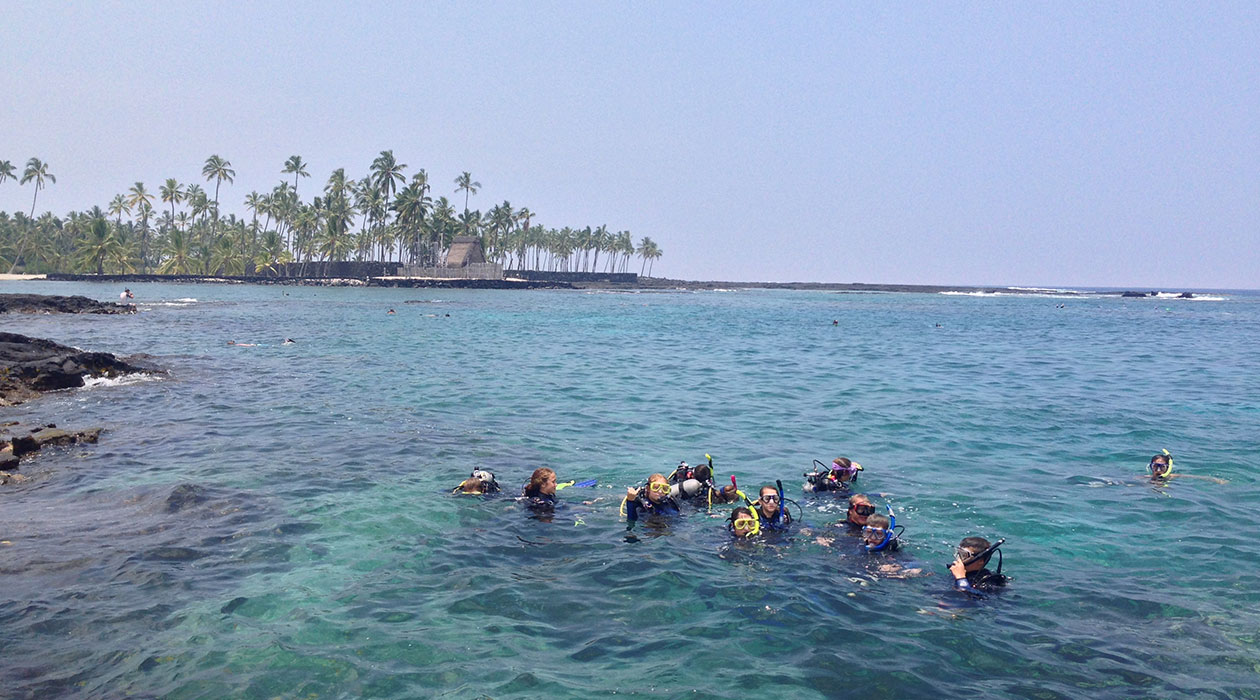
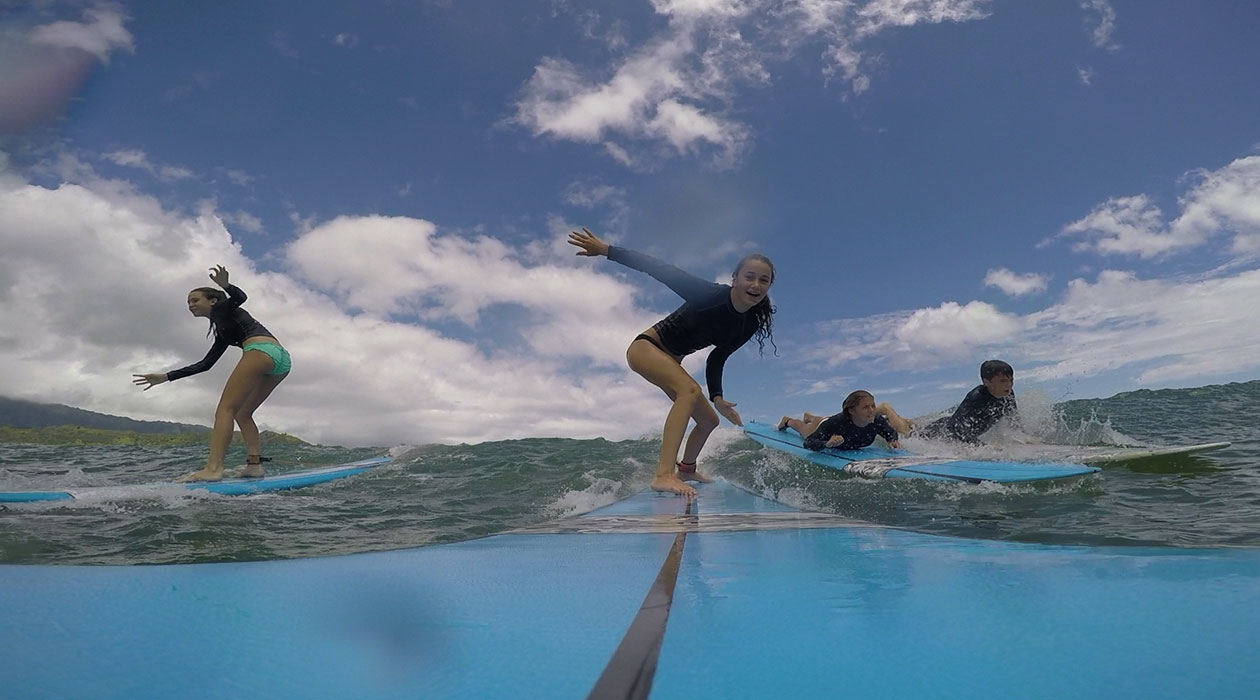
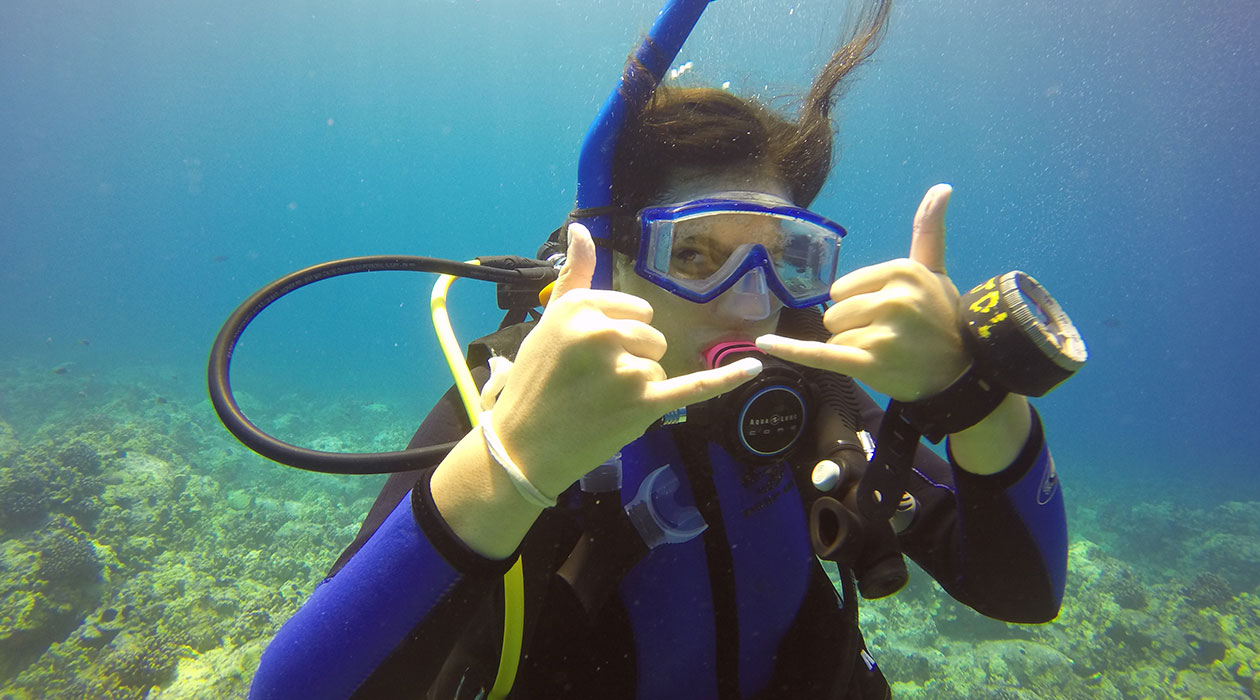
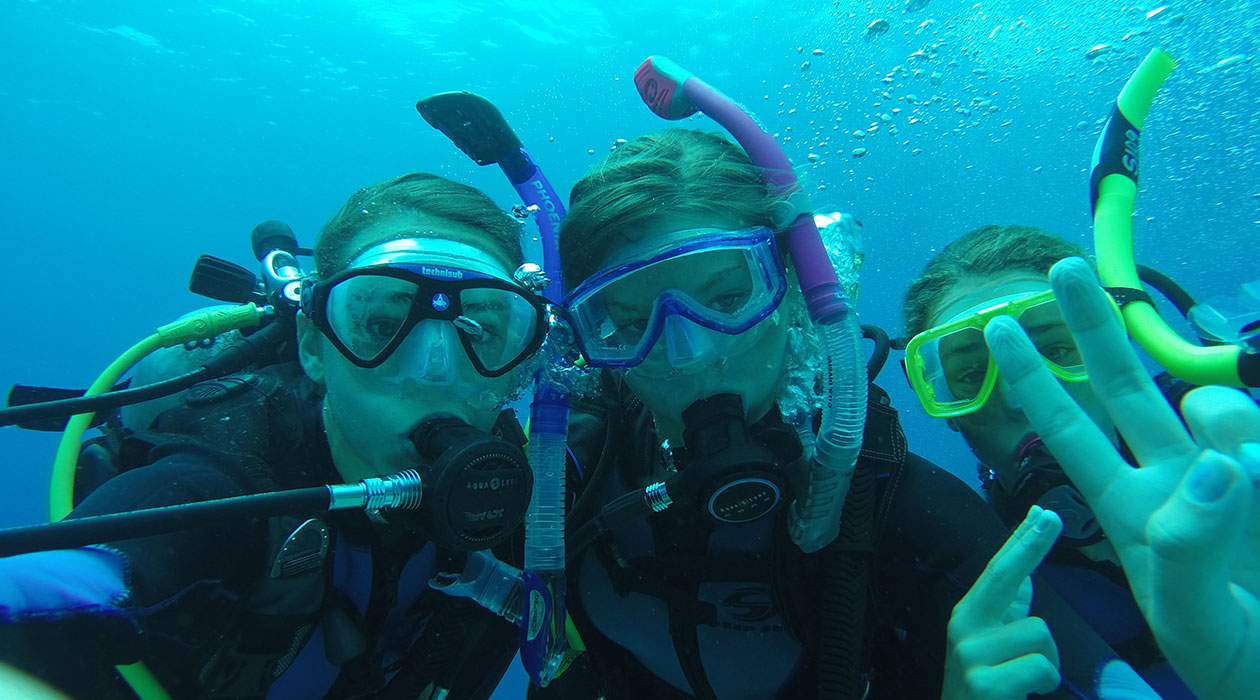
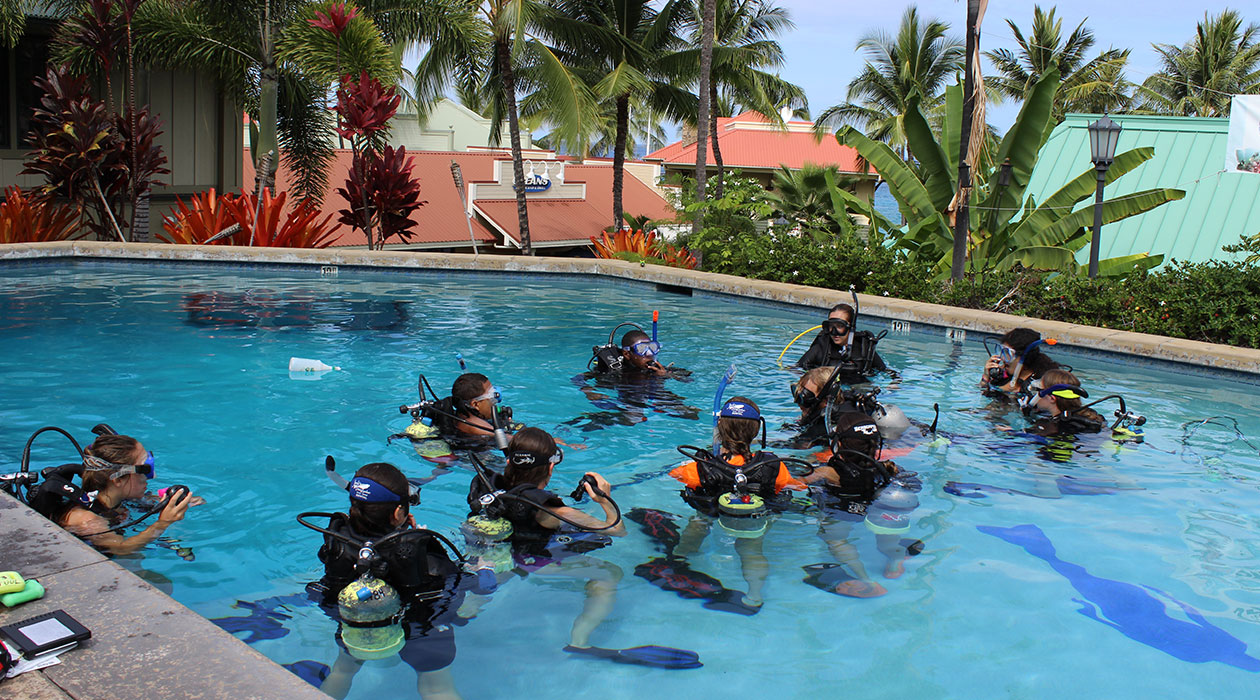
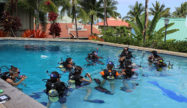
Specialized activities such as SCUBA and surfing are conducted with appropriately qualified professional providers.
10.
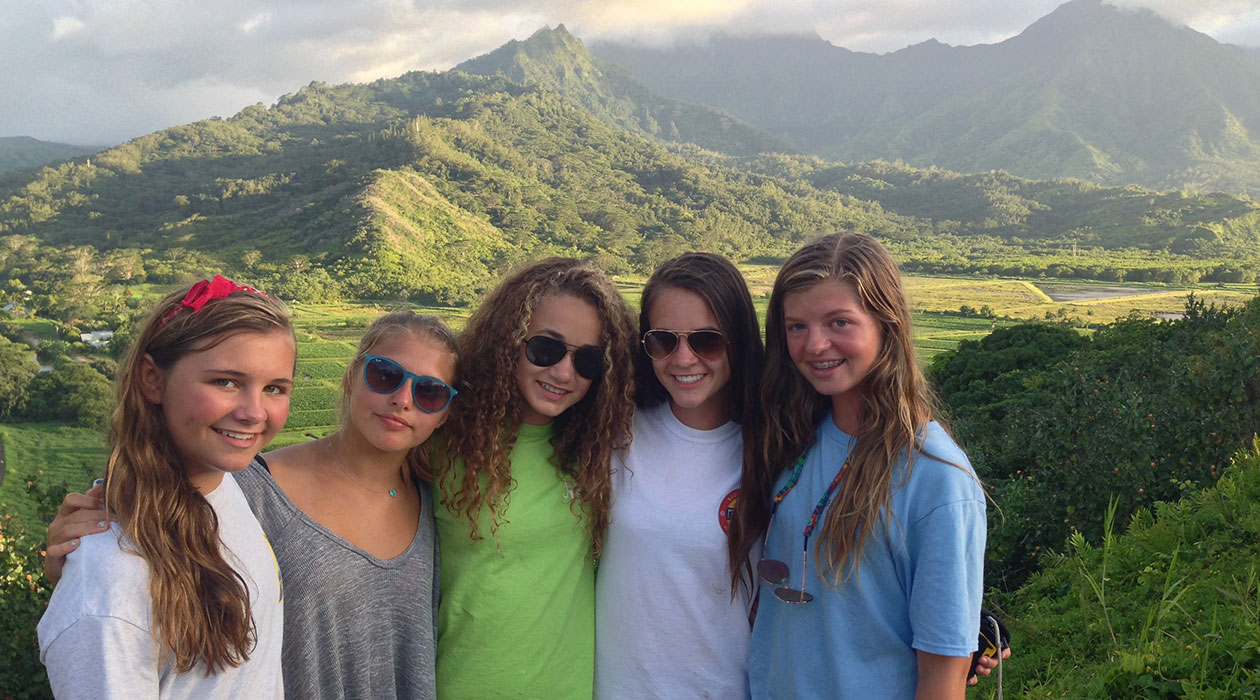
WHAT ARE THE GROUPS LIKE?
Our programs are intentionally small.
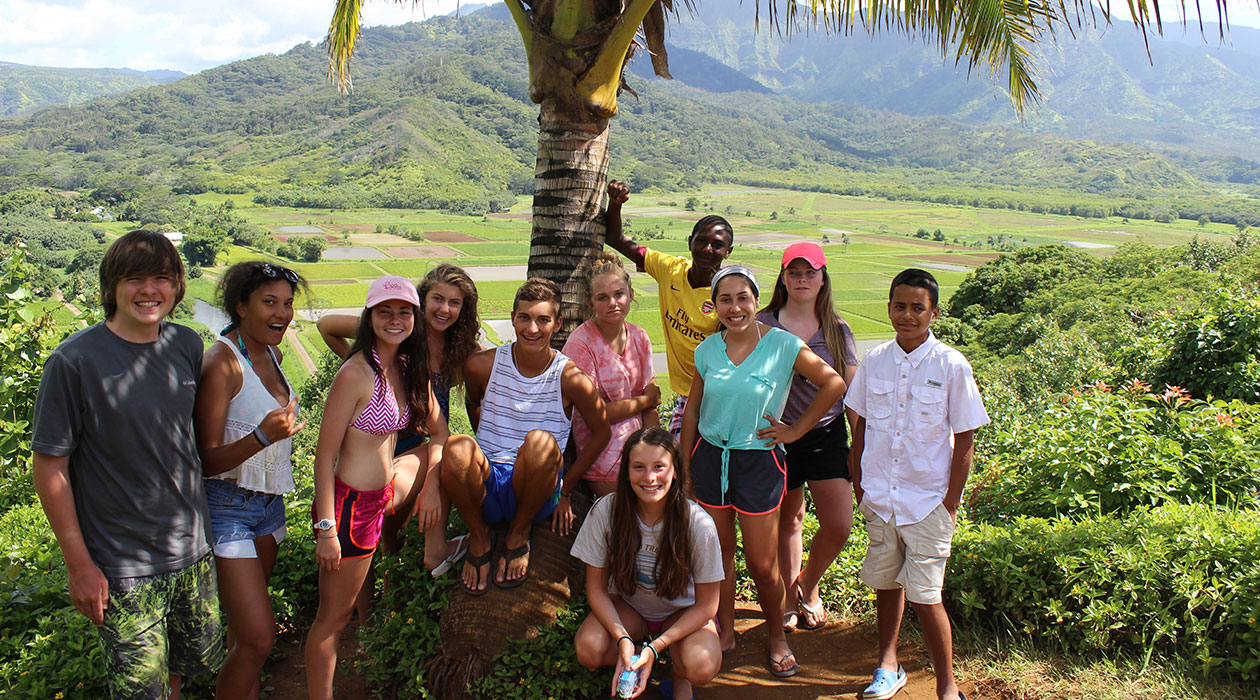
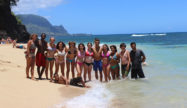
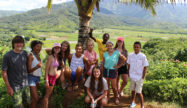
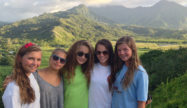
Most students arrive without knowing everyone else, and becoming a group is one of the best parts of the experience.
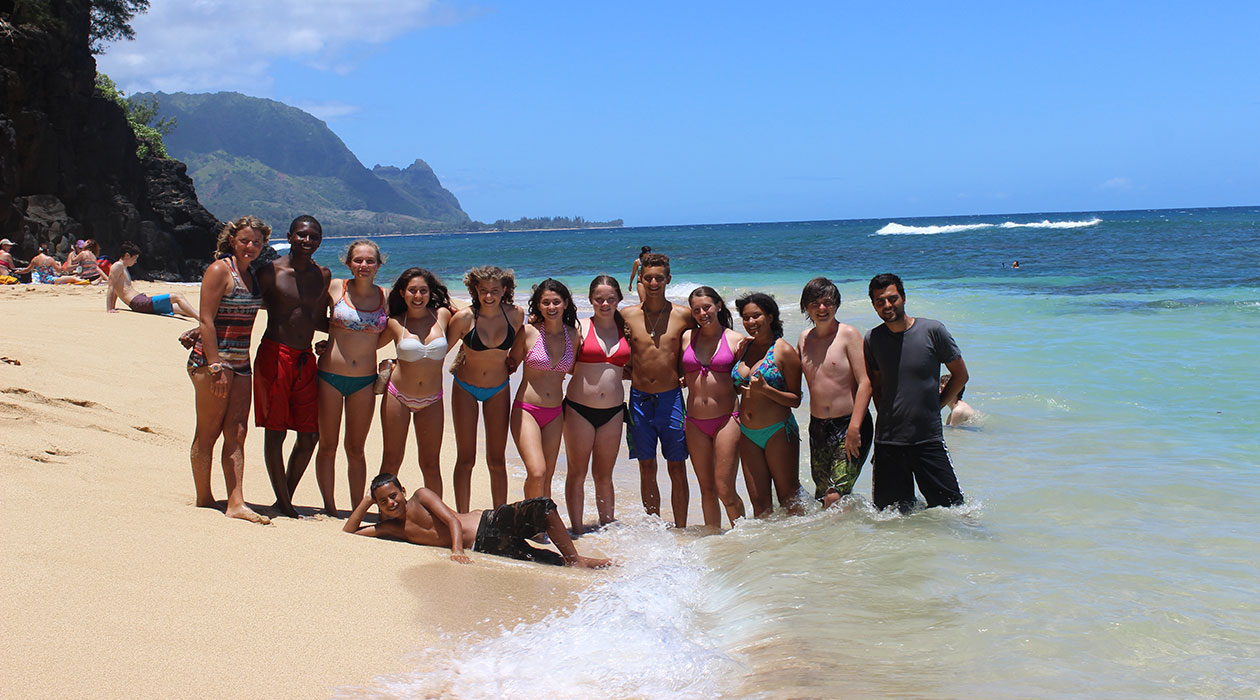
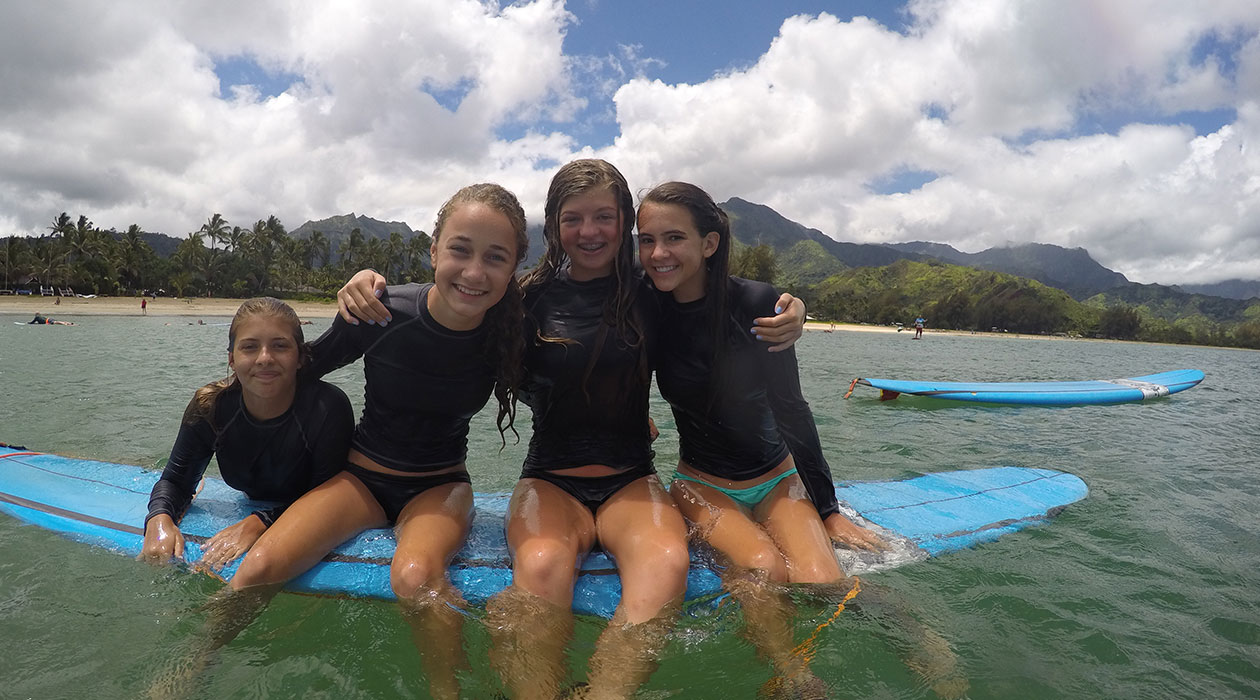
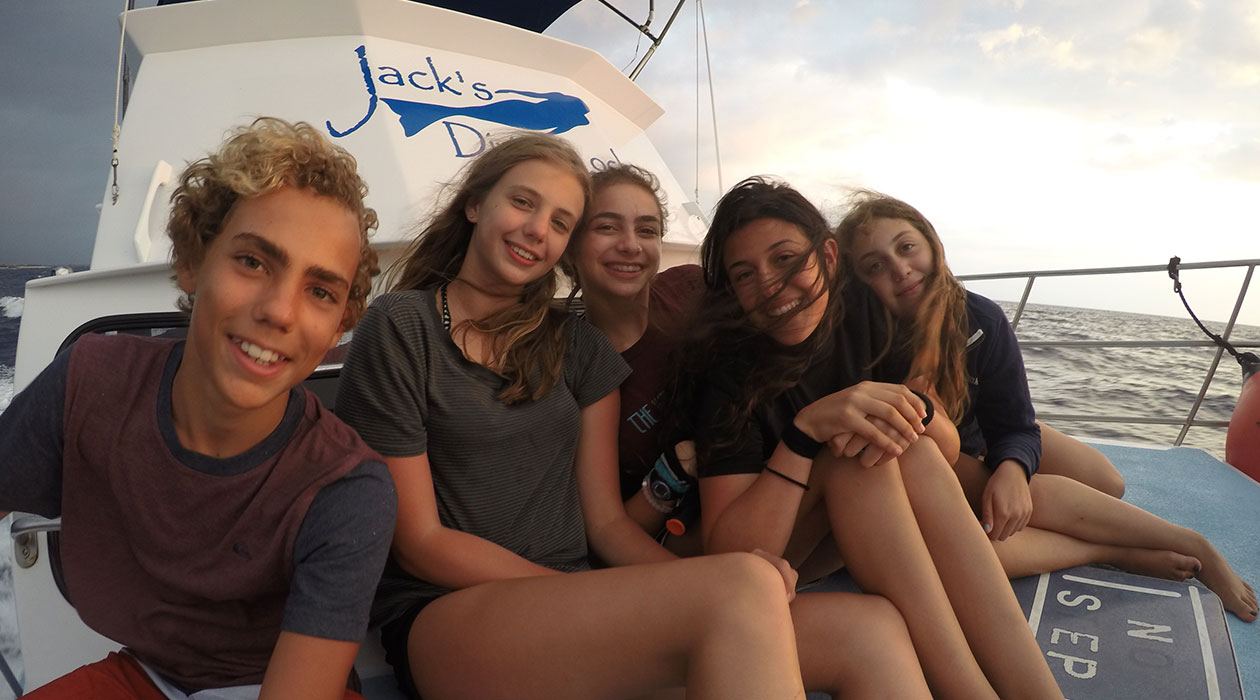
Over two weeks, students eat together, travel together, share tents and campsites, learn new skills, solve problems, laugh a lot, and experience some remarkable things side by side.
Friendships tend to form quickly when people are actually doing things together.
11.
WHERE DO WE SLEEP?
Camping is an important part of the Hawaiʻi experience.
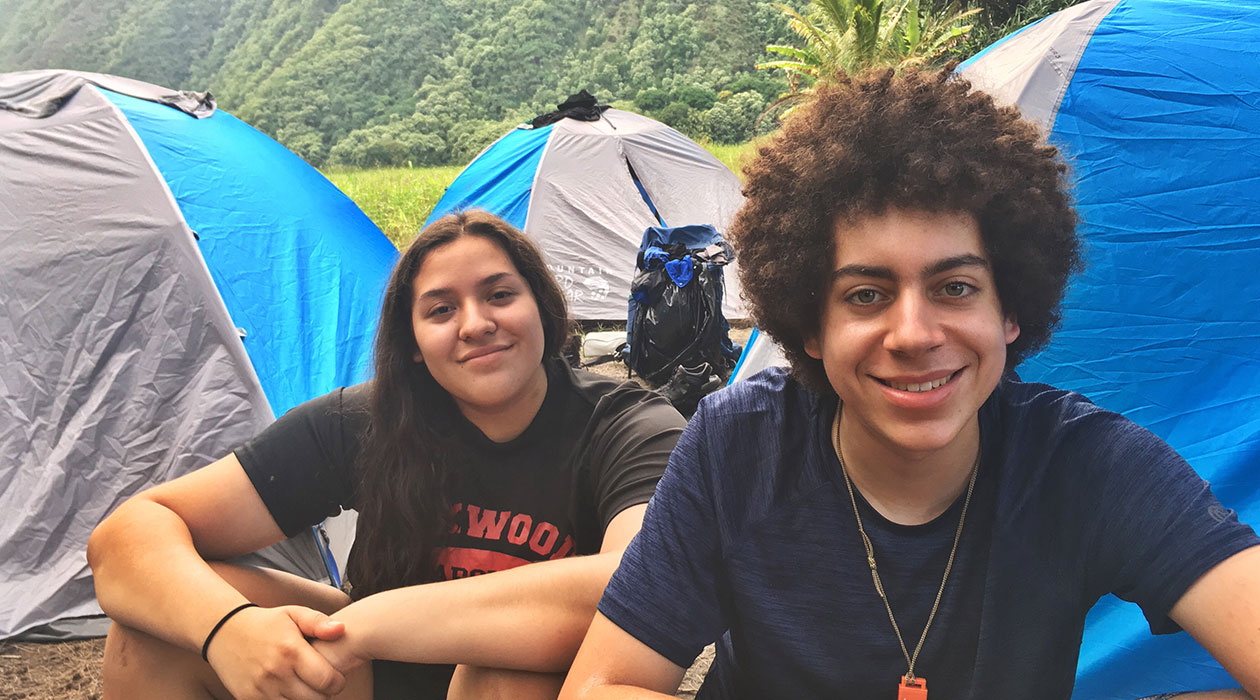
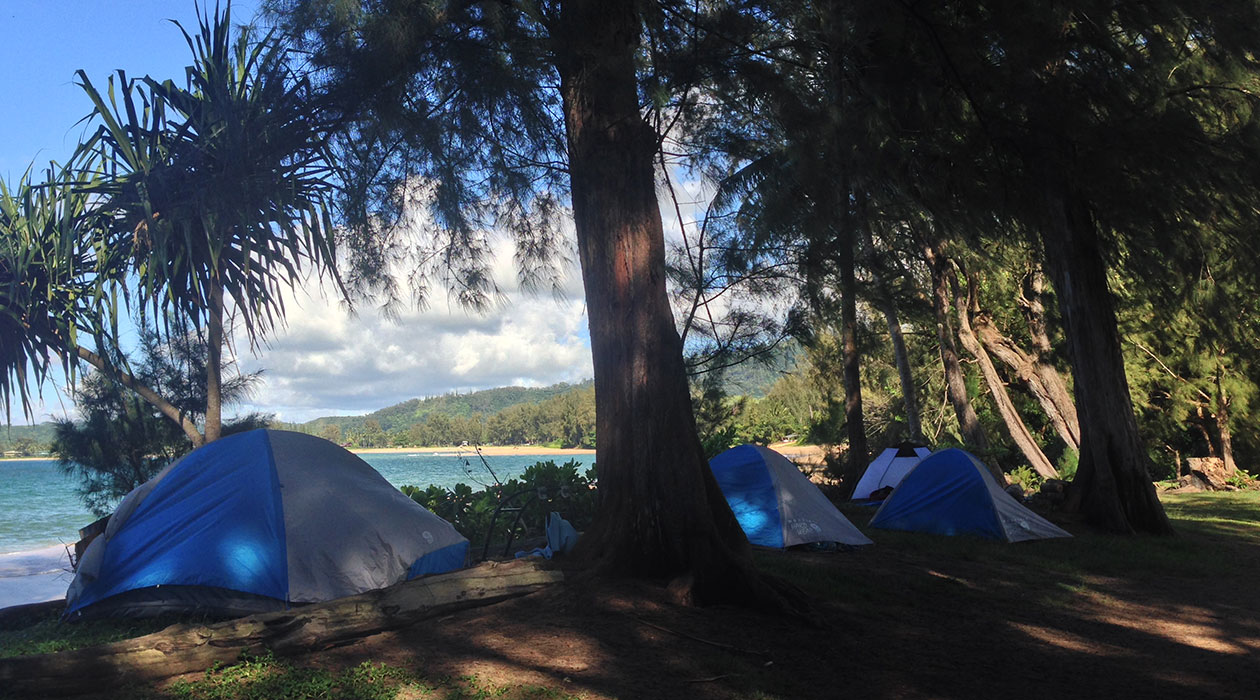
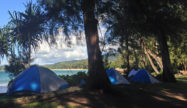
Students sleep in tents at established campgrounds throughout the program, including some incredible sites close to the ocean. Participants share tents with other students, while Wild Traveler leaders camp nearby.
Camping gives the group a home of its own and makes daily life together part of the adventure, not just the time between scheduled activities.
12.
DO I NEED PREVIOUS EXPERIENCE?
No.
Students do not need previous SCUBA, surfing, hiking, or camping experience to join the program.
Our activities are taught progressively, and our leaders and activity providers meet students where they are. Some participants arrive with years of outdoor experience. Others may be sleeping in a tent or trying an activity for the first time.
What matters most is being willing to participate, learn, contribute to the group, and try new things.