


Experience Malaysian Culture
Spend time in the communities we travel through, learn from local people, explore markets and temples, cook Malaysian food, and experience a side of the country that goes far beyond simply passing through it.
July 5 – July 20, 2027 Available
July 23 – Aug 7, 2027 Available
Hotels, hostels, outdoor centers
Maximum 12 participants
Los Angeles, CA
14 – 17
Includes round trip airfare
Once your traveler meets us at the designated arrival point, we take care of the details. Tuition covers the program experience from arrival through departure, including meals, transportation, activities, accommodations, and the costs that come with making the adventure happen.
Two Wild Traveler trip leaders accompany each group, supported by a logistics coordinator who handles arrangements and backup plans, plus local contacts in every destination. This keeps our leaders focused on your teenager and the group.
Participants do not need money for meals, snacks, activities, or normal program expenses. Spending money is only for personal extras they choose to purchase.
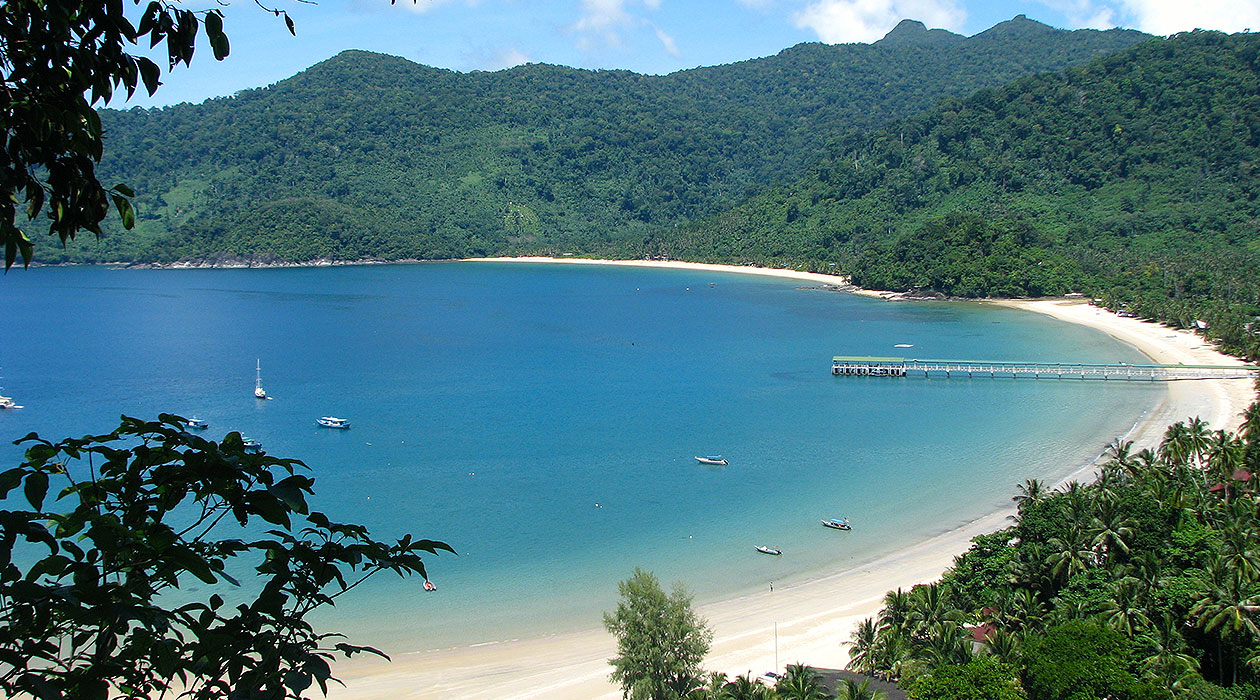
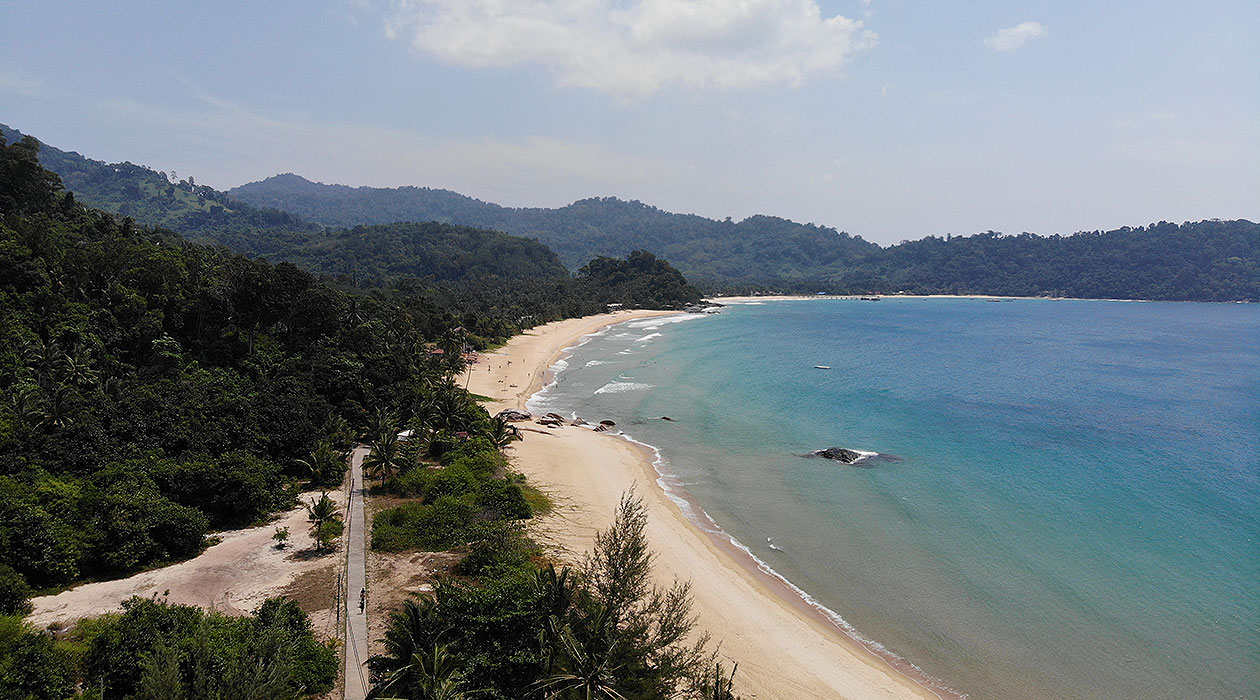
Tioman Island is the kind of place that makes you want to stay awhile.
Over sixteen days, a small group of teens explores Malaysia from city streets to coral reefs, with most of the adventure centered on Tioman Island. We sea kayak along the coast, earn or advance a SCUBA certification, hike through tropical rainforest, work alongside a sea turtle conservation project, cook Malaysian food, and experience daily life in a small island community.
Experienced Wild Traveler leaders travel with the group throughout the program, working alongside professional local instructors for specialized activities. As the trip unfolds, teens take on more responsibility for themselves, their equipment, and the group around them, with plenty of support along the way.
The adventure finishes in Singapore, a dramatic change of pace after nearly two weeks of island life. Travelers return home with new skills, stronger friendships, greater independence, and sixteen days of stories that are very much their own.
Explore Tioman’s coral reefs with professional dive instructors. First-time divers work toward their PADI Open Water certification, while already-certified divers advance their skills and experience some of the island’s remarkable tropical dive sites.
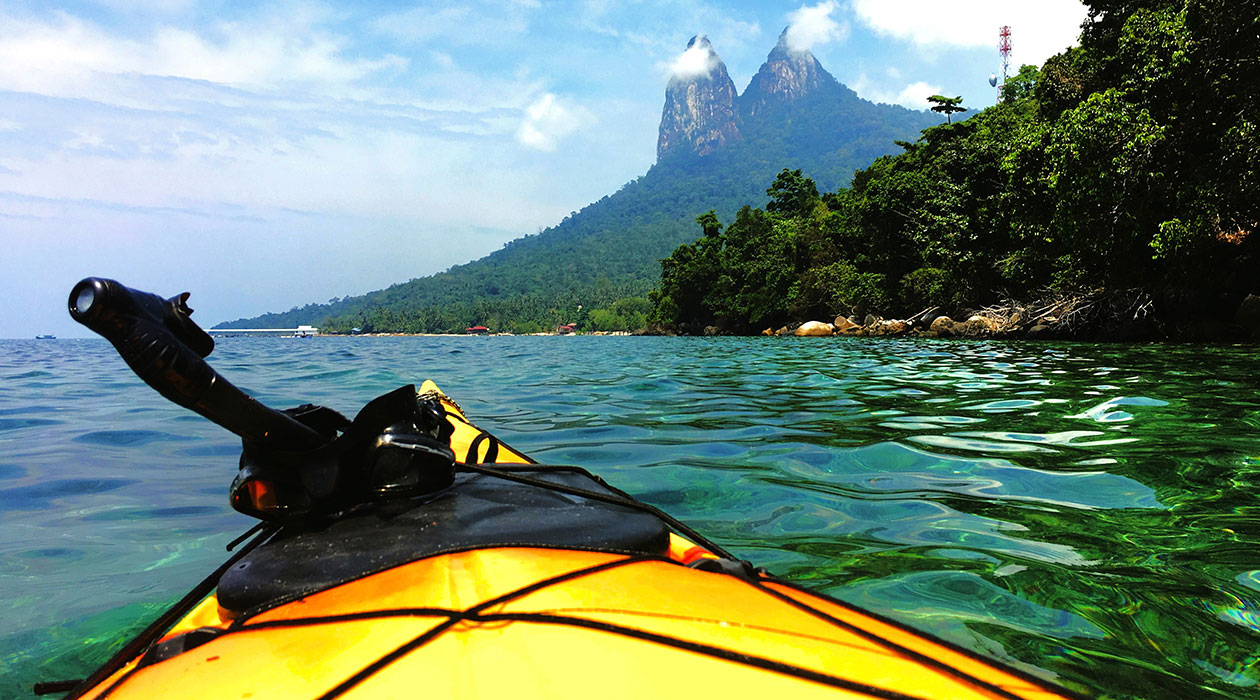
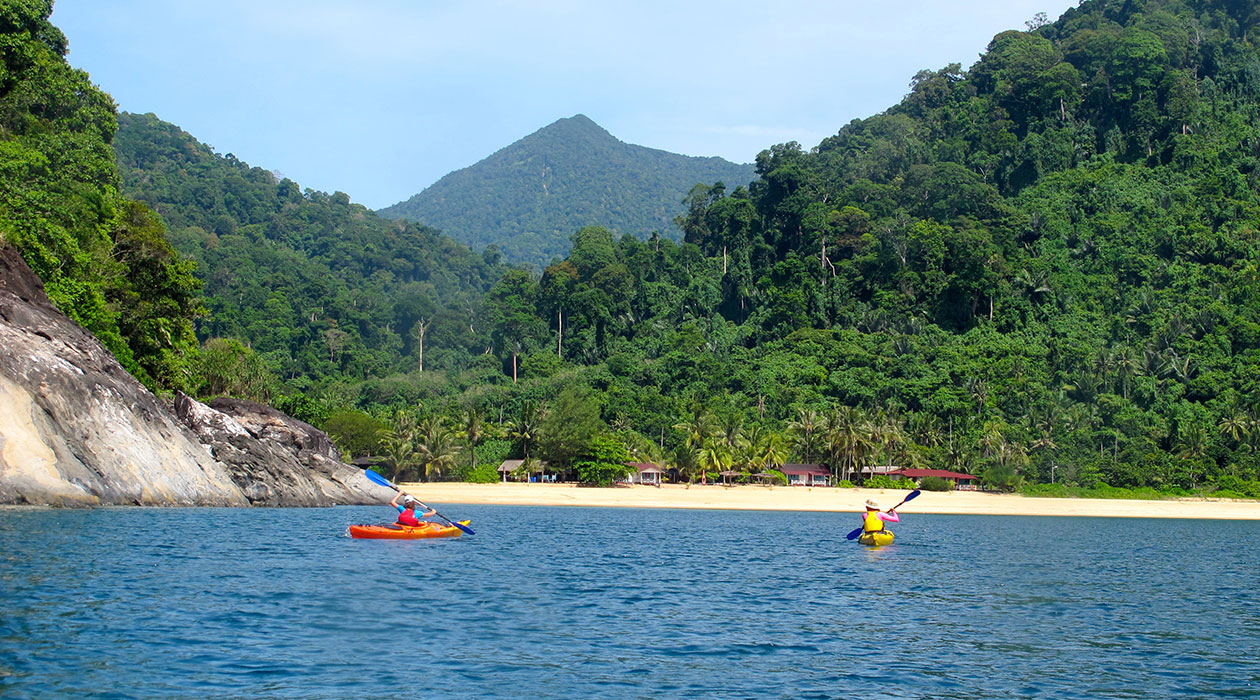
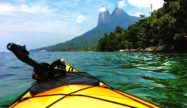
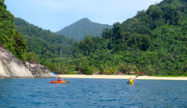
Load the boats and paddle along Tioman’s wild coastline toward Mukut and the Dragon Horns, camping on secluded beaches, snorkeling along the way, and traveling together through one of the most memorable landscapes of the trip.
Kayaking, diving, hiking, snorkeling, and conservation work give us different ways to understand the island. Along the way, local residents and conservationists help us learn more about Tioman’s ecosystems, communities, and the challenges of protecting this extraordinary place.
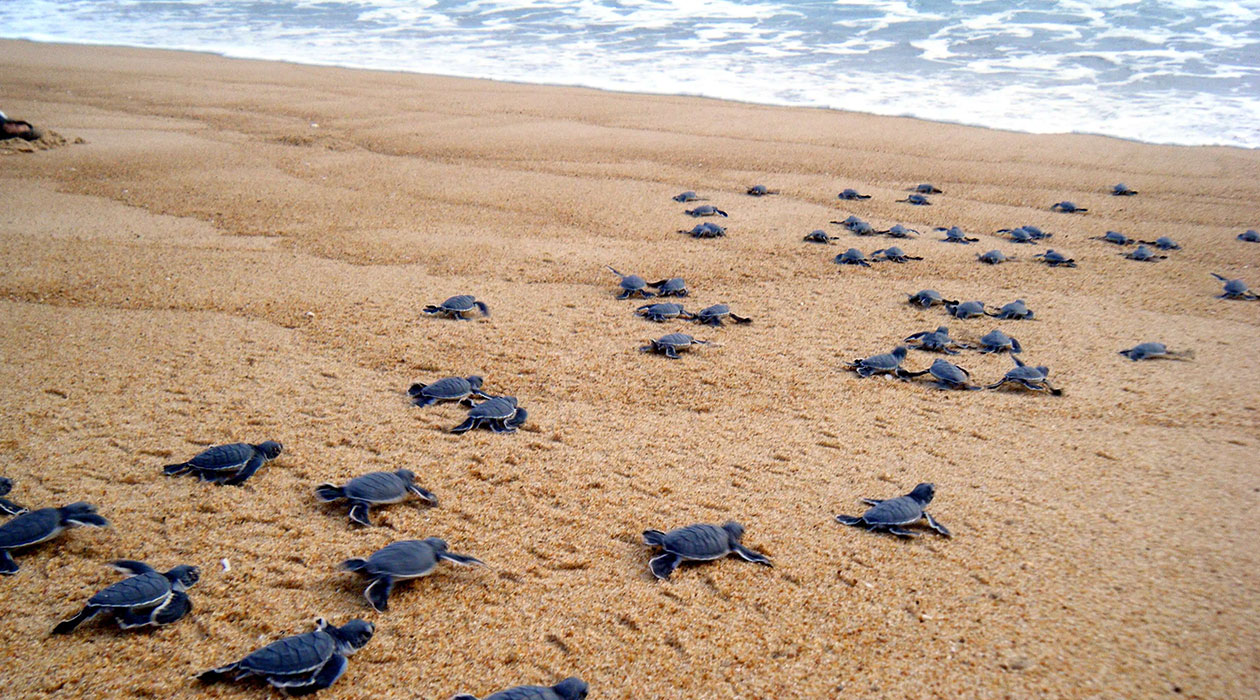
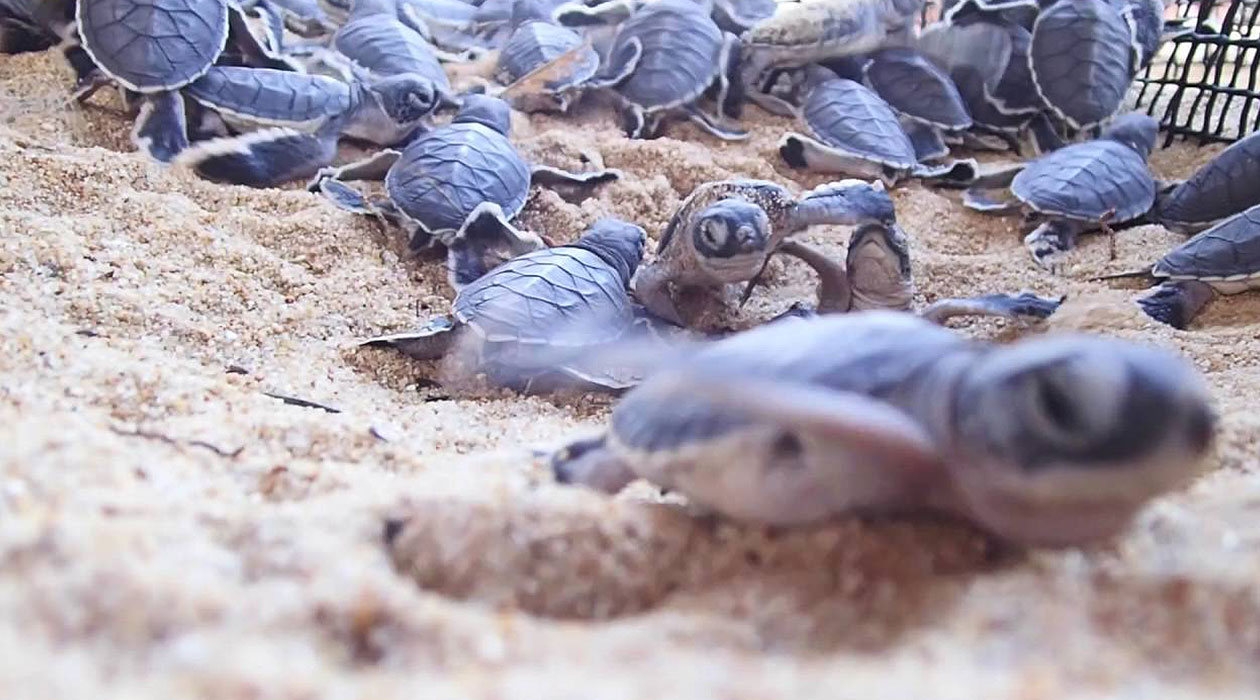
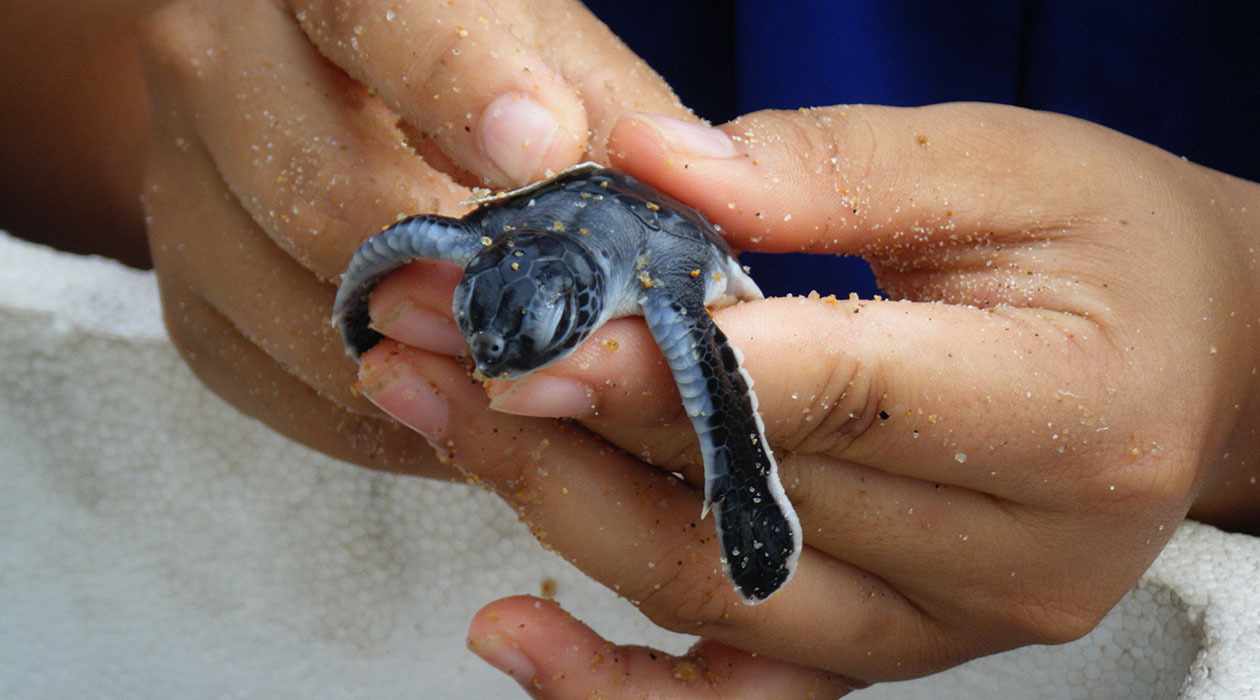
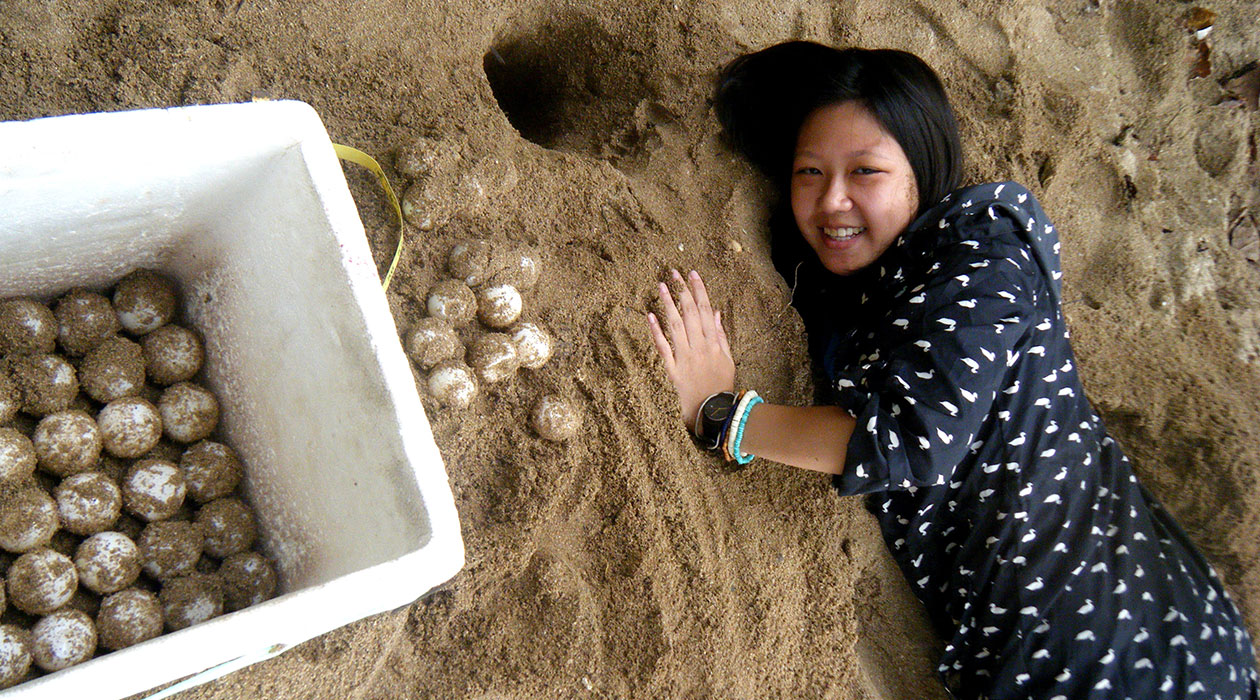
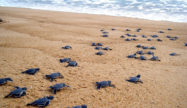
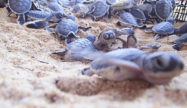
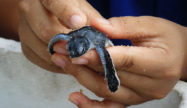
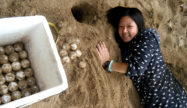
Work alongside the Juara Turtle Project on hands-on sea turtle conservation. The exact work depends on what is needed during our visit and may include beach patrols, hatchery work, nest monitoring, habitat projects, or helping with turtle releases.
Step into the kitchen with local cooks in Juara and learn how Malaysian dishes come together. Then sit down together for the best part: eating what we made.
Trade the ocean for the trail and head into Tioman’s mountainous interior, from jungle paths and waterfalls to the Dragon Horns and the slopes of Gunung Kajang. These are the days when the scale and wildness of the island really sink in.
You want to disappear into island life for a while: diving warm tropical water, paddling along jungle-covered coastline, hiking through rainforest, sleeping near the sea, and discovering a corner of the world that feels wonderfully far from home.
No previous SCUBA, sea kayaking, or international travel experience is required. You should be comfortable swimming in open water, spending active days in tropical heat and humidity, hiking uneven trails, and camping during the kayak journey.
A closer look at the journey, from arrival day through the final goodbye.
Meet the group at LAX, fly to Malaysia, and dive into Kuala Lumpur with temples, street markets, local food, and our first taste of Southeast Asia.
Journey across Malaysia and by ferry to Tioman Island, then settle into the village of Juara between tropical rainforest and turquoise sea.
Learn the skills needed for our sea kayak expedition, explore Juara, hit the beach, and cook a traditional Malaysian meal with local instructors.
Load the boats and paddle Tioman’s wild coastline toward Mukut and the Dragon Horns, traveling by kayak, camping out, and hiking beneath the island’s dramatic granite peaks.
Spend three days exploring Tioman’s tropical reefs while working toward a PADI Open Water or Advanced Open Water certification with professional dive instructors.
Work alongside the Juara Turtle Project, learn about sea turtle conservation, and take part in hands-on conservation activities based on the project’s current needs.
Head deep into Tioman’s rainforest for a challenging hike on Gunung Kajang, the highest mountain on the island.
Say goodbye to island life, ferry back to mainland Malaysia, and cross into Singapore for a completely different side of Southeast Asia.
Explore Singapore’s neighborhoods and landmarks, visit the Supertree Grove, eat well, and celebrate the adventure with one final night together.
Fly home from Singapore with new skills, new friendships, a SCUBA certification for many travelers, and sixteen days of stories to bring home.
The adventure begins at Los Angeles International Airport, where travelers meet their Wild Traveler leaders and the rest of the group. After introductions and time to start getting to know one another, we board our international flight to Kuala Lumpur.
Arriving in Malaysia is the first big shift. New country, new food, new time zone. We settle into our accommodations and give everyone time to adjust as we begin establishing the routines that will carry us through the next two weeks.
Then we head out. Temples, bustling street markets, Malaysian food, and the energy of Kuala Lumpur provide our first introduction to Southeast Asia before we leave the city behind and make our way toward the coast.
We leave Kuala Lumpur and travel across Peninsular Malaysia toward the port town of Mersing. Watching the city give way to smaller towns and tropical landscapes makes the journey part of the experience.
The next morning, we board the ferry across the South China Sea to Tioman Island. From there, we cross the island to Juara, a small village tucked between tropical rainforest and warm turquoise water that will become our home base for much of the trip.
We explore the village, meet local people, learn about conservation work on the island, swim at a nearby waterfall, and get our first real taste of island life. By now, the airports and long flights feel very far away. Tioman has arrived.
Before setting off along Tioman’s coastline, we spend a day building the skills we will need on the water. Travelers practice paddling, steering, boat handling, and packing expedition equipment, learning how a group prepares to travel efficiently by sea kayak.
There is still time for the good stuff: exploring Juara, hanging out at the beach, swimming, and becoming more comfortable in the village that is quickly starting to feel familiar.
Later, we trade paddles for cooking utensils. With local instructors, the group learns to prepare a traditional Malaysian meal and then sits down to eat what we have made together.
Now the expedition begins.
We pack our equipment into sea kayaks and paddle away from Juara, following Tioman’s wild coastline toward Mukut village and the dramatic granite peaks known as the Dragon Horns.
Over two days, the group travels by water, takes breaks along remote sections of coast, manages boats and equipment, prepares meals together, and spends a night away from our main base. It is a very different way to experience the island, with everything we need traveling with us.
From Mukut, we head into the rainforest and hike toward the saddle beneath the Dragon Horns. These enormous granite spires rise abruptly above the jungle and form one of the most spectacular landscapes on Tioman.
The expedition also marks an important shift in the trip. Travelers begin taking more responsibility for gear, meals, camp routines, and one another, while Wild Traveler leaders remain actively involved in supervision, route decisions, and support.
After exploring Tioman from the surface, we head beneath it.
For three days, professional dive instructors introduce us to an entirely different world of coral reefs, granite formations, sea turtles, giant clams, nudibranchs, and tropical marine life.
First-time divers work through the knowledge, skills, and open-water dives required to earn their Open Water certification. Travelers who already hold an Open Water certification continue their training through the Advanced Open Water course while gaining more experience at Tioman’s dive sites.
This is not simply a chance to “try” SCUBA. By the end of the program, new divers can leave Tioman with an internationally recognized certification, while experienced divers have taken the next step in their training.
And everyone gets to discover what Tioman looks like below the surface.
After kayaking across Tioman’s waters and diving beneath them, we spend two days learning from people working to protect the island’s marine environment year-round.
We work alongside the Juara Turtle Project and learn about the challenges facing sea turtles and their nesting habitat. What we do depends on the needs of the project at the time and may include beach patrols, nest monitoring, maintaining protected areas, relocating eggs when necessary, supporting hatchling releases, or other conservation work identified by the project team.
These days change our relationship with the island. Tioman is no longer simply an extraordinary place to explore. We begin to understand what it takes to care for it, and the role local organizations and communities play in protecting it for the future.
One last big island challenge.
We trade the ocean for the mountains and head into Tioman’s tropical rainforest for a hike on Gunung Kajang, the highest mountain on the island.
The trail takes us deep into dense jungle and gives us a completely different perspective on the landscape we have spent nearly two weeks exploring from the coast and water. Travelers manage their pace, support one another through harder sections, and tackle the day as a team.
After kayaking, diving, conservation work, and nearly two weeks of island life together, Gunung Kajang is a fitting final adventure before we leave Tioman behind.
We say goodbye to Juara and the people and places that have become familiar over the past two weeks. After taking the ferry back to mainland Malaysia, we continue south toward Singapore.
The contrast is incredible. Within a single day, we move from a small tropical island of rainforest, reefs, and village life into one of the world’s most modern international cities.
We settle in, head out for dinner, and start exploring. It feels almost like beginning another trip inside the one we have already had.
Our final full day is devoted to Singapore.
We explore some of the city’s distinctive neighborhoods and landmarks, including the Supertree Grove, with plenty of time to walk, eat, look around, and experience a city that feels worlds away from Tioman.
By now, the group has spent nearly two weeks navigating unfamiliar places and new experiences together. Everyone knows one another well, and there is a confidence to the group that simply was not there when we first met at LAX.
That evening, we sit down for our final dinner, swap stories from the trip, laugh about the moments that have already become group legends, and celebrate the adventure we have shared.
We head to the airport and begin our flight back to Los Angeles. Crossing the International Date Line means we arrive in California on the same calendar day we leave Singapore, one final reminder of just how far we have traveled.
When we arrive at LAX, Wild Traveler leaders help travelers navigate the airport and prepare for their onward journeys home.
Sixteen days earlier, this was a group of teenagers meeting one another for the first time. They return with new outdoor skills, real diving experience and certifications, a deeper understanding of a part of the world very different from home, friendships forged through shared adventure, and greater confidence in what they can handle on their own.
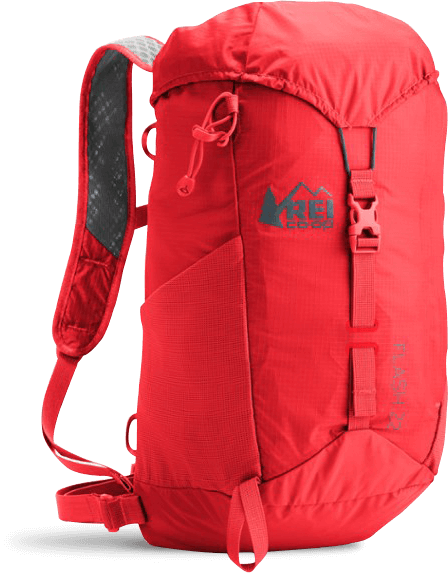
Packing for an adventure doesn’t need to be complicated. Your trip-specific packing list covers everything you’ll need, while our Gear Recommendations page offers practical guidance for choosing the items that matter most.
Here are answers to some of the questions we hear most often about our Tioman Island, Malaysia teen adventure. Still have a question? Send us an email or submit an inquiry online. We’re always happy to help.
01. DO I NEED PREVIOUS EXPERIENCE?

No previous SCUBA diving, sea kayaking, or international travel experience is required. First-time divers can work toward their PADI Open Water certification, while participants who are already certified can continue developing their skills. We also teach the kayaking and expedition skills participants need before setting out along Tioman’s coast. Participants should arrive ready to be active, try new things, contribute to the group, and spend plenty of time outdoors.
02. DO I NEED TO BE A STRONG SWIMMER?
Participants need to be comfortable in the water and meet the swimming requirements for their PADI course. Because this trip includes SCUBA diving, snorkeling, swimming, and sea kayaking, participants should feel reasonably confident in and around open water. Families with questions about swimming ability should contact us before registering so we can talk through the requirements.
03. HOW DOES THE SCUBA CERTIFICATION WORK?
Participants who are not already certified work toward their PADI Open Water Diver certification with professional dive instructors on Tioman Island. Already-certified participants can work toward an Advanced Open Water certification, provided they meet the course requirements. Training includes the required knowledge development, skills practice, and open-water dives. Certification is earned by successfully completing the requirements of the applicable PADI course.
04. IS SCUBA DIVING SAFE?
SCUBA diving involves inherent risks, which is why our diving is conducted through professional dive operators and instructors following established training and safety standards. Participants learn the necessary skills progressively before completing open-water dives, and dive plans take into account conditions, participant experience, and the requirements of the certification course. Wild Traveler leaders remain involved with the group throughout the program while professional dive instructors manage the technical diving instruction.
05. ARE THERE MEDICAL REQUIREMENTS FOR SCUBA DIVING?
Yes. Participants will need to complete the required medical screening for their SCUBA course. Certain medical conditions, medications, or answers on the screening form may require clearance from a physician before a participant can dive. Families receive the necessary forms before departure, and we strongly recommend completing them early so there is time to obtain medical clearance if needed.
06. HOW PHYSICALLY DEMANDING IS THE TRIP?
Malaysia is an active trip. Participants should be comfortable with full days outdoors in tropical heat and humidity, swimming and snorkeling, kayaking, carrying personal equipment, and hiking on steep and uneven jungle trails. The Gunung Kajang hike is one of the more physically challenging days of the program. Participants do not need to be exceptional athletes, but arriving with a reasonable level of fitness will make the experience more enjoyable.
07. WHAT IS THE SEA KAYAK EXPEDITION LIKE?
Before setting out, participants learn and practice the paddling and safety skills they will need. We then load our boats and travel along Tioman’s coastline toward Mukut and the Dragon Horns, stopping along the way to explore, snorkel, hike, and camp. Our exact route and plans can change depending on weather and sea conditions.
08. HOW ARE PARTICIPANTS SUPERVISED?
Wild Traveler leaders travel with the group from our meeting at LAX until we return sixteen days later. They are responsible for overall supervision, group management, and the participant experience. For specialized activities such as SCUBA diving, we work alongside professional local instructors and guides with expertise in those activities. Participants also take on increasing age-appropriate responsibility for themselves, their equipment, and the group as the trip progresses.
09. WHAT HAPPENS IF SOMEONE GETS SICK OR INJURED?
Wild Traveler leaders prepare for medical issues and changing conditions as part of every program. Minor illnesses and injuries can often be managed within the group. If someone needs additional medical attention, we will arrange appropriate local care and communicate with their family. Because parts of the program take place on an island, access to advanced medical care is different from being in a major city. Our leaders and local partners plan accordingly and can modify activities, arrange transportation, or evacuate a participant for additional medical care when necessary.
10. WHAT DO I NEED TO BRING?
We provide a trip-specific packing list covering clothing, footwear, personal items, and equipment needed for the different parts of the program. Specialized SCUBA equipment is provided through our dive operator, and group equipment for the kayak expedition is arranged as part of the program. Our Gear Recommendations page also includes examples and suggested options for items that can be difficult to choose.
11. WHAT WILL THE GROUP BE LIKE?
Wild Traveler trips are intentionally small-group experiences. Participants travel, eat, explore, and take on challenges together throughout the sixteen days. Most teens arrive without knowing everyone else, and learning to live and travel well with the group becomes an important part of the experience. Wild Traveler leaders remain with the group throughout the program.
12. DO I NEED ANY VACCINATIONS TO TRAVEL TO TIOMAN ISLAND OR SINGAPORE?
There is no single vaccination recommendation that applies to every participant. We recommend that families review current CDC travel guidance for Malaysia and Singapore and speak with their healthcare provider before departure. Participants should be up to date on routine vaccinations, and the CDC may recommend additional travel vaccines based on vaccination history, itinerary, and individual health considerations. We will also provide families with current pre-trip health information before departure.
13. WHAT PASSPORT, VISA, AND HEALTH PREPARATION DO I NEED?
U.S. passport holders currently do not need to obtain tourist visas in advance for this itinerary. Participants should have a passport valid for at least six months beyond arrival in Malaysia. Malaysia and Singapore also currently require travelers to complete digital arrival forms shortly before entering each country. Travel-health recommendations can change, so families should review current guidance and speak with their healthcare provider or travel-health clinic before departure. Wild Traveler provides families with current travel-document and entry information before the trip. Participants traveling on passports from other countries should confirm the requirements that apply to their nationality.
14. CAN I CALL FAMILY DURING THE TRIP?
Participants will not have regular unrestricted access to their phones during the trip so they can be more present with the group and the experience. There will be opportunities to check in with family, and participants can contact home at other times if there is a reason they need or want to. Families can also reach Wild Traveler leaders throughout the program if they need to contact the group.
15. ARE INTERNATIONAL FLIGHTS INCLUDED?
Yes. Round-trip group airfare is included in tuition. The group flies together from Los Angeles to Kuala Lumpur and returns to Los Angeles from Singapore. Participants are responsible for getting to LAX at the beginning of the program and traveling home from LAX after the group returns. Detailed arrival and departure instructions are provided before the trip.
16. WHAT WILL OUR DAYS BE LIKE?
There really isn't a typical day. One morning might begin with a SCUBA dive over a coral reef, another with loading kayaks for a day along the coast, and another with hiking through rainforest or working alongside the Juara Turtle Project. Conservation activities depend on what the project needs during our visit and may include beach patrols, nest monitoring, hatchery work, habitat projects, or assisting with turtle releases when timing allows. There are also slower moments for swimming, exploring Juara, sharing meals, playing games, and spending time together.
17. WILL WE DO LAUNDRY DURING THE TRIP?
Yes. We will have opportunities to wash clothes during the trip, so participants do not need to pack sixteen days of clothing. Our packing list will explain what to bring and how much.
18. HOW DO WE TRAVEL?
Wild Traveler leaders meet the group at LAX and fly with participants to Kuala Lumpur. From Kuala Lumpur, we travel across Peninsular Malaysia to Mersing and take a ferry across the South China Sea to Tioman Island. After our time on Tioman, we ferry back to the mainland and continue south to Singapore before flying together back to Los Angeles. Wild Traveler leaders remain with the group throughout the journey.
19. WHAT IS THE FOOD LIKE?
Food is a big part of experiencing Malaysia and Singapore. Participants can expect a mix of Malaysian dishes and familiar options, with influences from Malay, Chinese, Indian, and other Southeast Asian cuisines. Rice, noodles, vegetables, chicken, seafood, fruit, soups, and curries are all common. We also take part in a Malaysian cooking experience during our time on Tioman. Families should provide complete information about allergies and dietary needs during enrollment so we can determine whether they can be accommodated.
20. WHERE DO WE STAY?
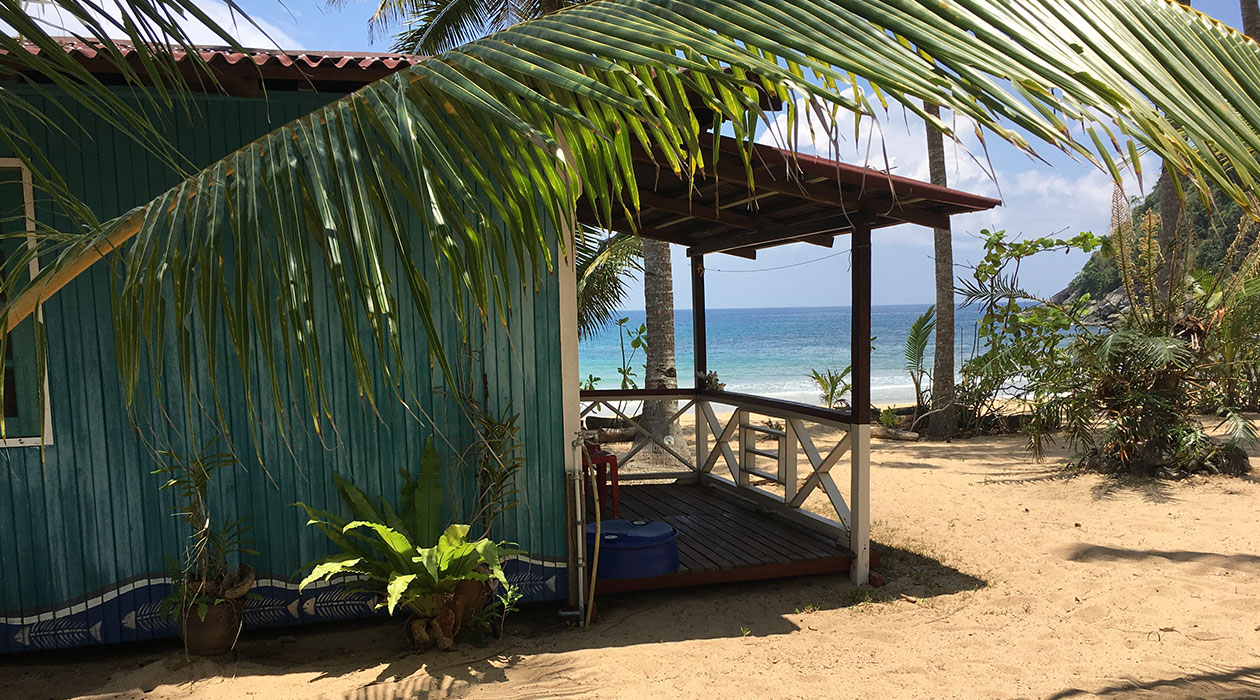
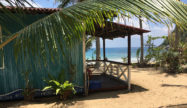
Accommodations change as we travel. We stay in a mix of hotels, locally run accommodations, and simple island lodging, with a night camping during our sea kayak expedition. On Tioman, our accommodations put us close to the communities and environments we are there to experience rather than separating the group inside a large resort.
Warm water. Rainforest trails. Island adventures.
Sixteen days of exploring somewhere extraordinary.