


Your trip-specific packing list is always the place to start. The guide below covers some of the items families ask us about most. You do not need the newest or most expensive equipment. We care much more about fit, function, comfort, and reliability.
CHECK THE LIST FIRST
Every program is different. Do not buy gear simply because it appears on another trip.
FIT MATTERS
Backpacks, footwear, masks, and other personal equipment should fit the participant well.
TRY IT BEFORE DAY 1
Important gear should not make its first appearance on the morning the trip begins.
KEEP IT SIMPLE
Extra gear adds weight, takes up space, and usually creates more work.
ASK BEFORE BUYING
Some equipment can be borrowed, rented, or may already be provided by The Wild Traveler.
CHOOSE FOR FIT + FUNCTION.
A little guidance can make a big difference with these items. Use the examples as a starting point, then check the requirements for your specific program.
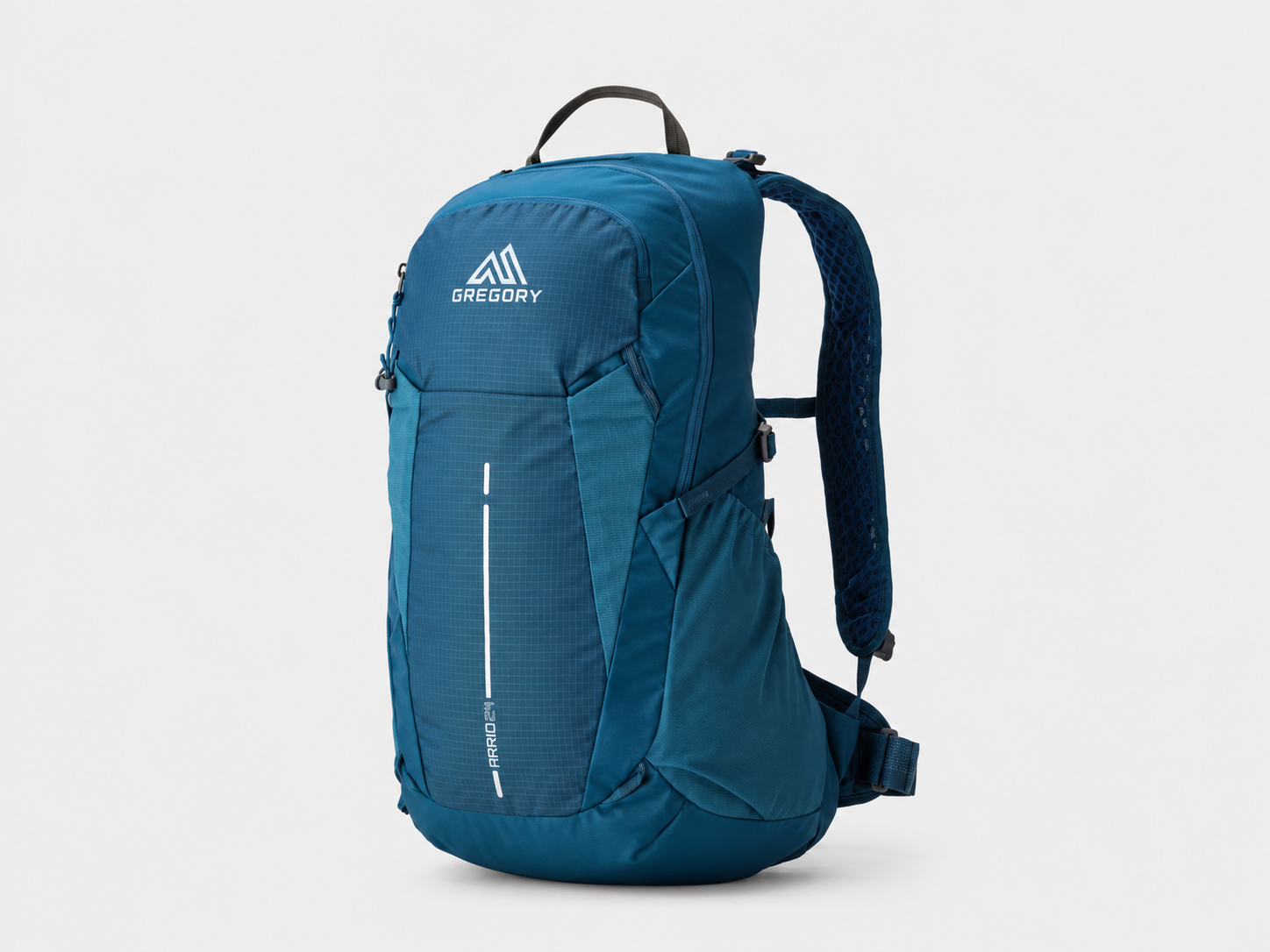
DAY PACK
A useful size for most hikes, excursions, and everyday travel.
A comfortable day pack should carry water, rain gear, layers, lunch, sunscreen, and a few personal items without feeling bulky.
WHAT TO LOOK FOR
- Comfortable shoulder straps
- Secure water bottle pockets
- Lightweight, durable construction
- Enough room for essentials without being oversized
Load it with water, a jacket, and a few other items before the trip. If it is uncomfortable at home, it will not improve on the trail.
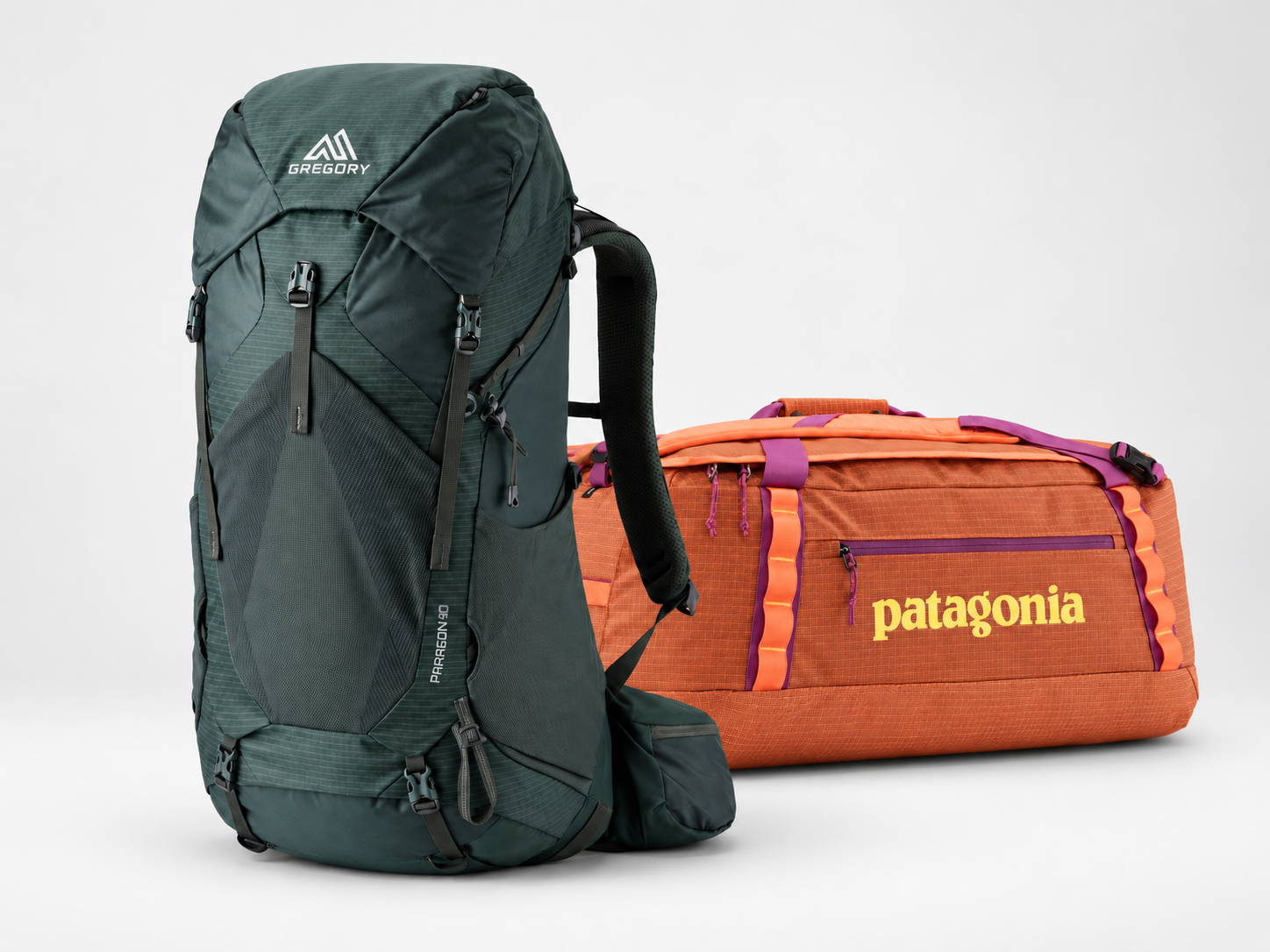
DUFFEL BAG OR BACKPACKING PACK
The right bag depends on the program. Some trips require participants to carry their equipment, while others are better suited to a simple duffel.
A properly fitted internal-frame pack in approximately the 45–60 liter range works well for many teenagers.
A durable, soft-sided duffel is usually more practical than a hard-shell suitcase.
FOR A BACKPACKING PACK
- Correct torso fit
- Supportive hip belt
- Adjustable shoulder and load-lifter straps
- Comfortable when loaded with weight
Check the packing list before buying. Some programs need a true backpacking pack; others work much better with a duffel.
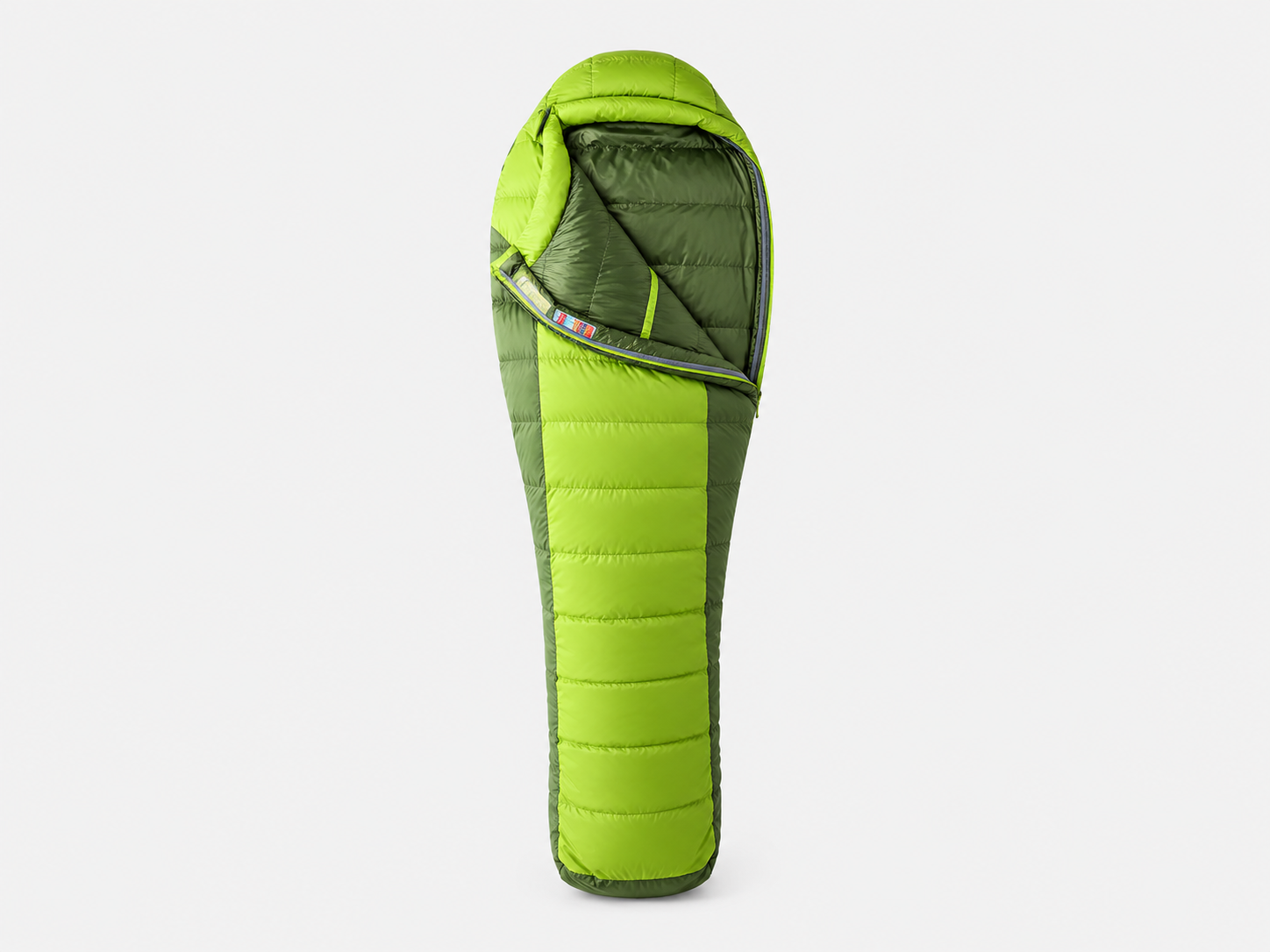
SLEEPING BAG
The right sleeping bag depends on the climate and nighttime temperatures of your program. Your packing list will provide the recommended temperature range.
WHAT TO LOOK FOR
- Appropriate temperature rating
- Comfortable participant fit
- Reasonable packed size and weight
- A stuff sack for transportation
Lighter and more compact, but usually more expensive and requires more care around moisture.
Usually less expensive and performs reasonably well when damp, although it packs larger.
There is no need to buy an expensive down bag simply because you are joining an outdoor program.
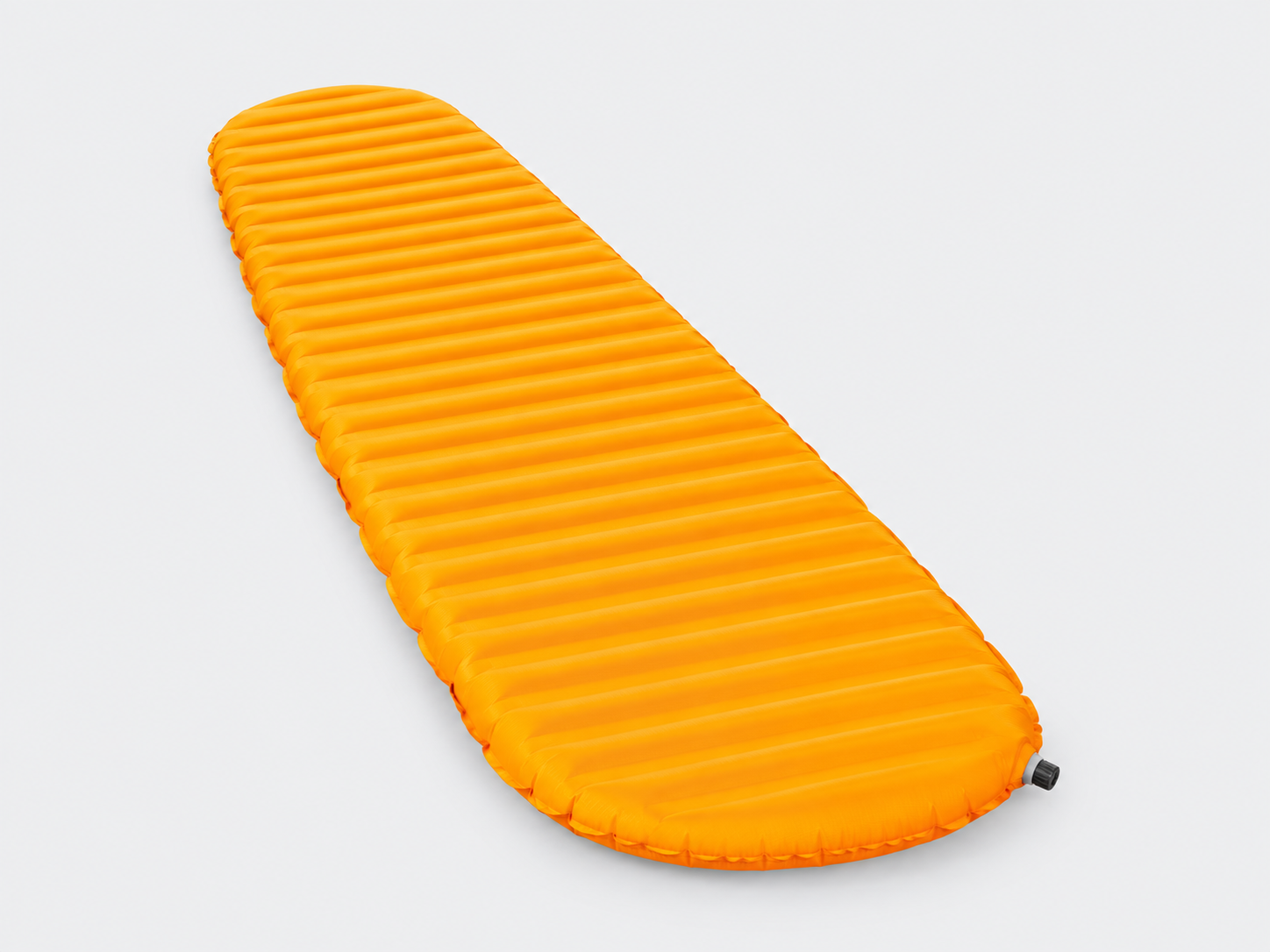
SLEEPING PAD
A sleeping pad provides both comfort and insulation from the ground. On camping programs, it is an important part of the sleeping system.
Usually more comfortable and compact when packed.
Simple, inexpensive, durable, and almost impossible to break.
WHAT TO LOOK FOR
- Designed for outdoor camping
- Approximately body length
- Reasonable packed size
- Simple enough to use independently
Set it up at least once before the trip. Day 1 is not the ideal time to discover how the valve works.
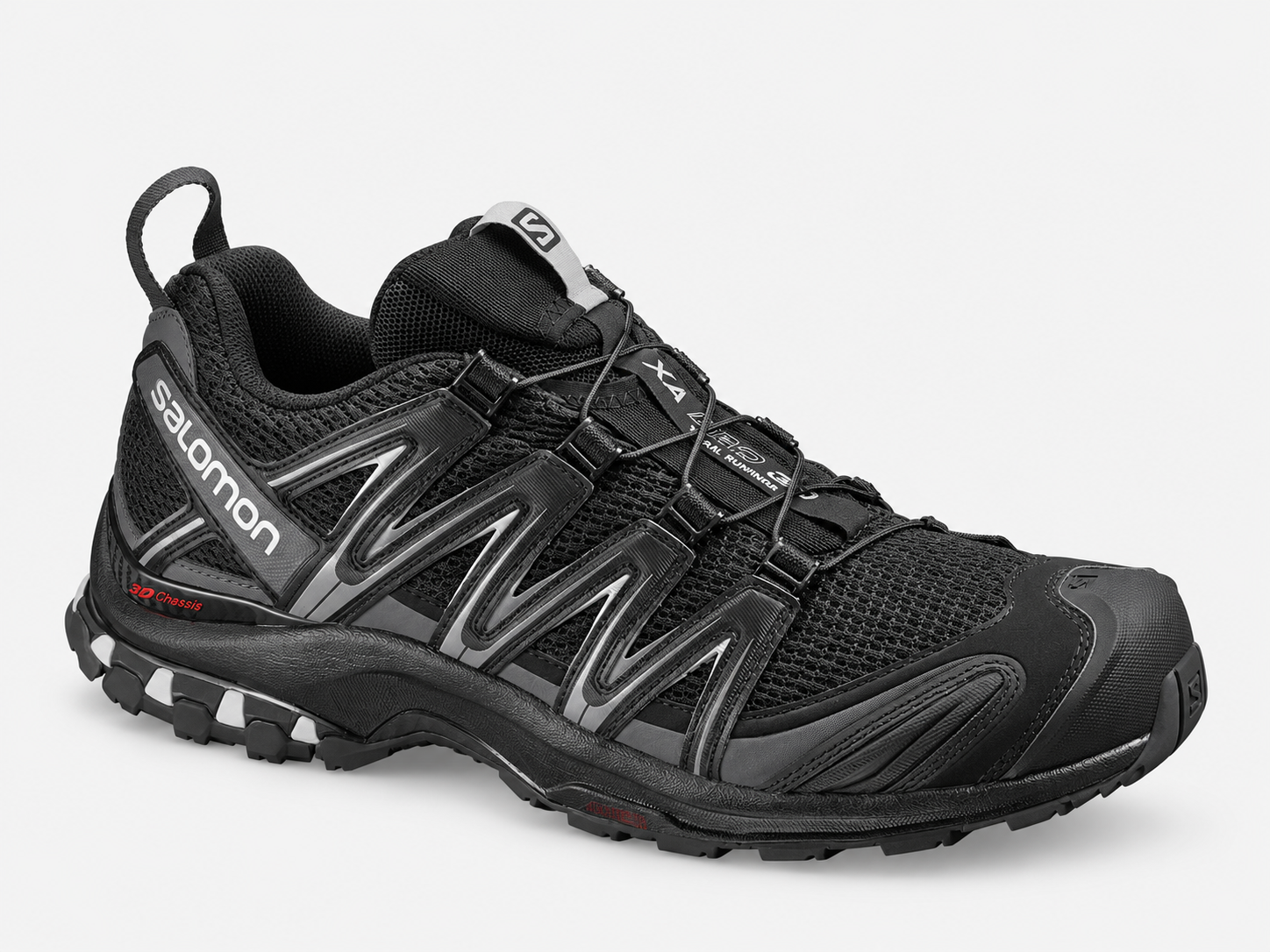
FOOTWEAR
Footwear should be comfortable, supportive, appropriate for the terrain, and broken in before departure.
WHAT TO LOOK FOR
- Comfortable fit with no rubbing or pressure points
- Good traction for the terrain
- Appropriate support for the activity
- Good socks designed for active use
Brand-new shoes on Day 1. Heavy hiking boots are not automatically better unless the packing list specifically calls for them.
Wear the shoes on several walks or hikes before departure. Blisters can turn a beautiful trail into a very long day.
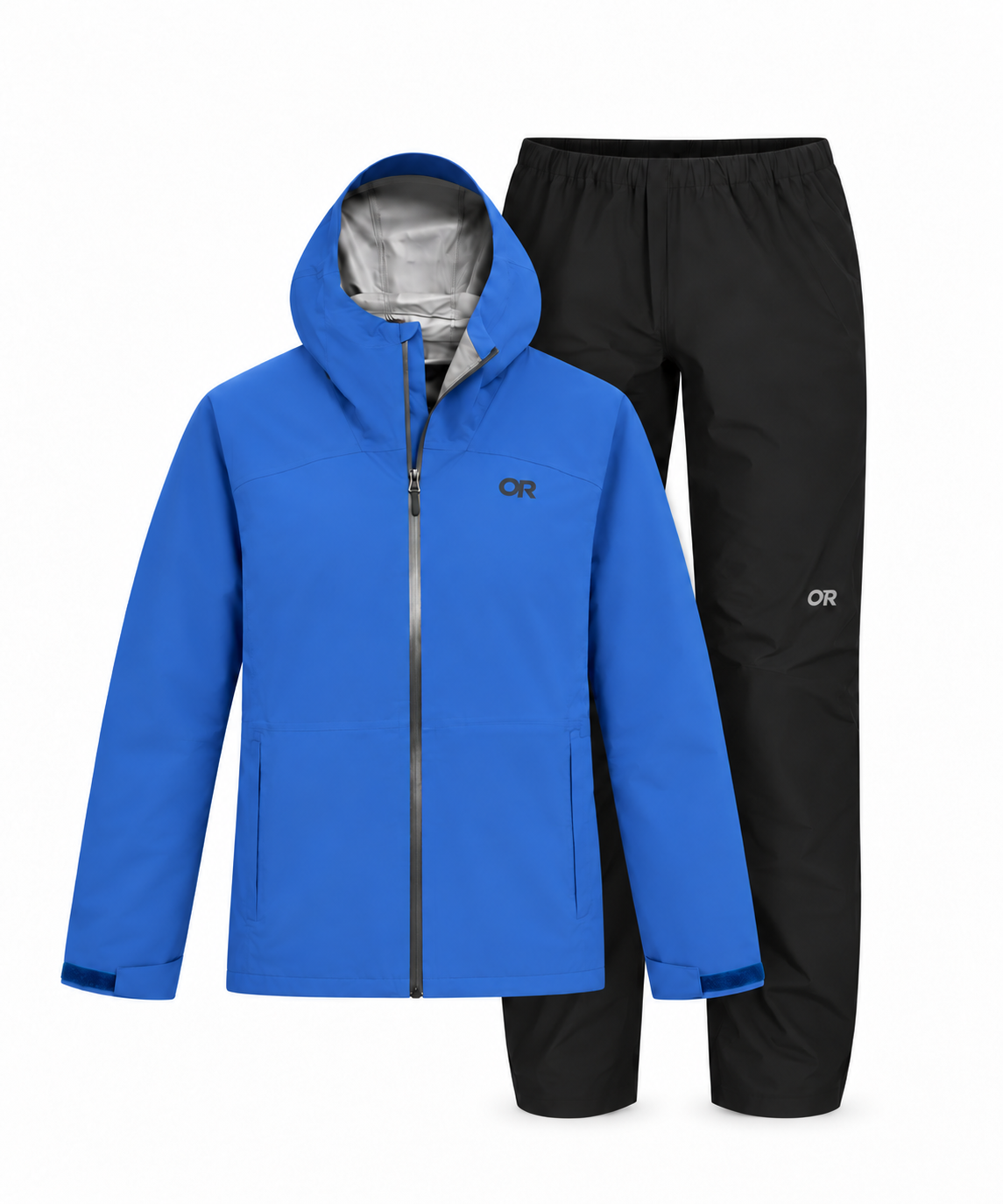
RAIN JACKET + RAIN PANTS
Good rain gear helps participants stay warm as well as dry. On trips with extended outdoor time, proper waterproof layers make a noticeable difference.
WHAT TO LOOK FOR
- Waterproof jacket with a hood
- Light enough to pack easily
- Room for a warm layer underneath
- Waterproof rain pants when required
Thin disposable ponchos are not a substitute for proper rain gear on trips involving extended time outdoors.
Rain pants are simply lightweight waterproof pants worn over regular clothing. They matter more than many families expect.
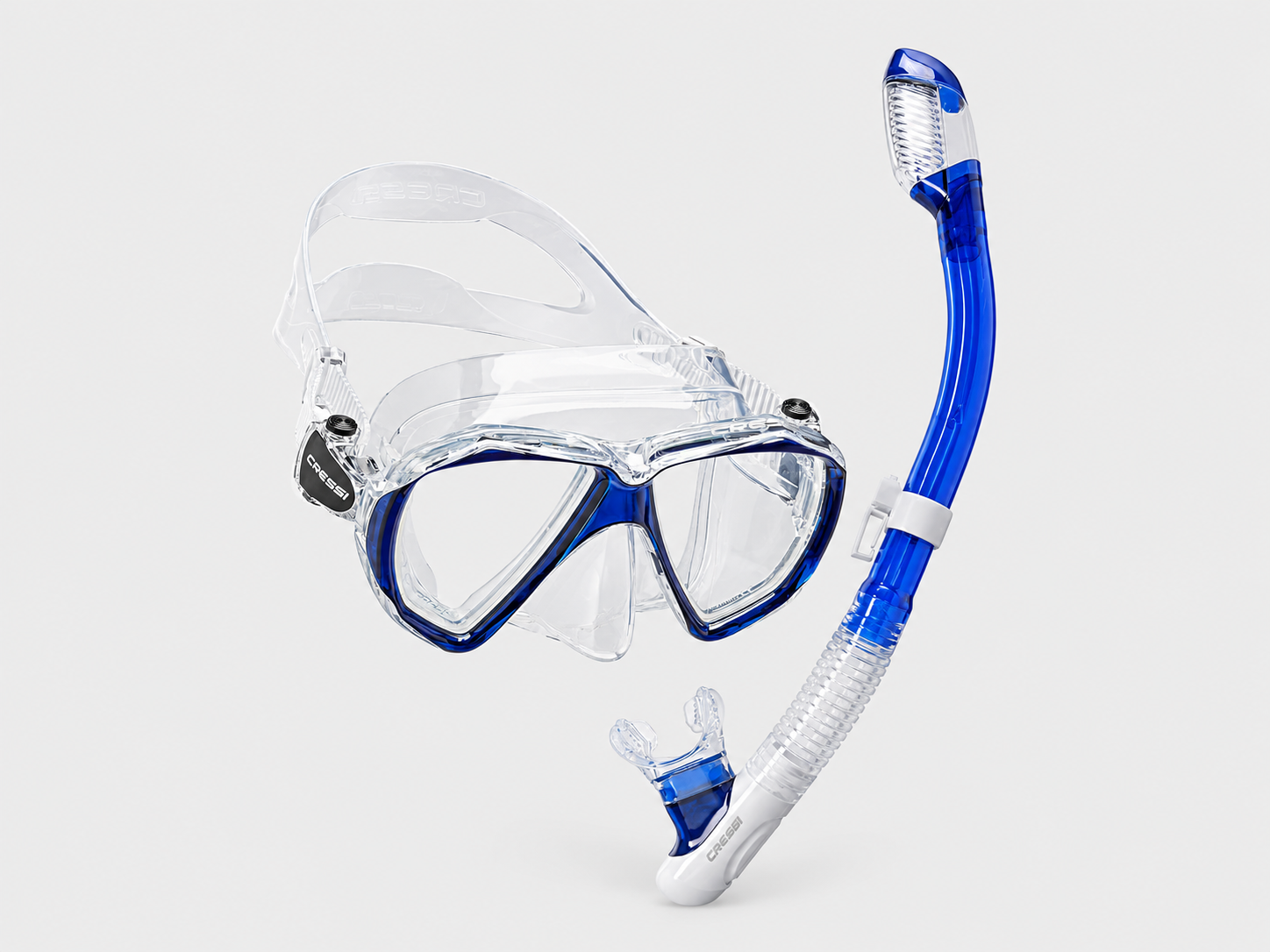
SNORKEL + SCUBA MASK
For programs involving snorkeling or SCUBA diving, fit matters much more than price.
QUICK FIT TEST
- Place the mask against the face without using the strap.
- Gently inhale through the nose.
- A good fit should create a light seal and remain against the face.
WHAT TO LOOK FOR
- Comfortable seal around the face
- Soft silicone skirt
- Comfortable nose pocket
- Prescription option if needed
Try several masks when possible. Faces are different, and the best mask is simply the one that fits.
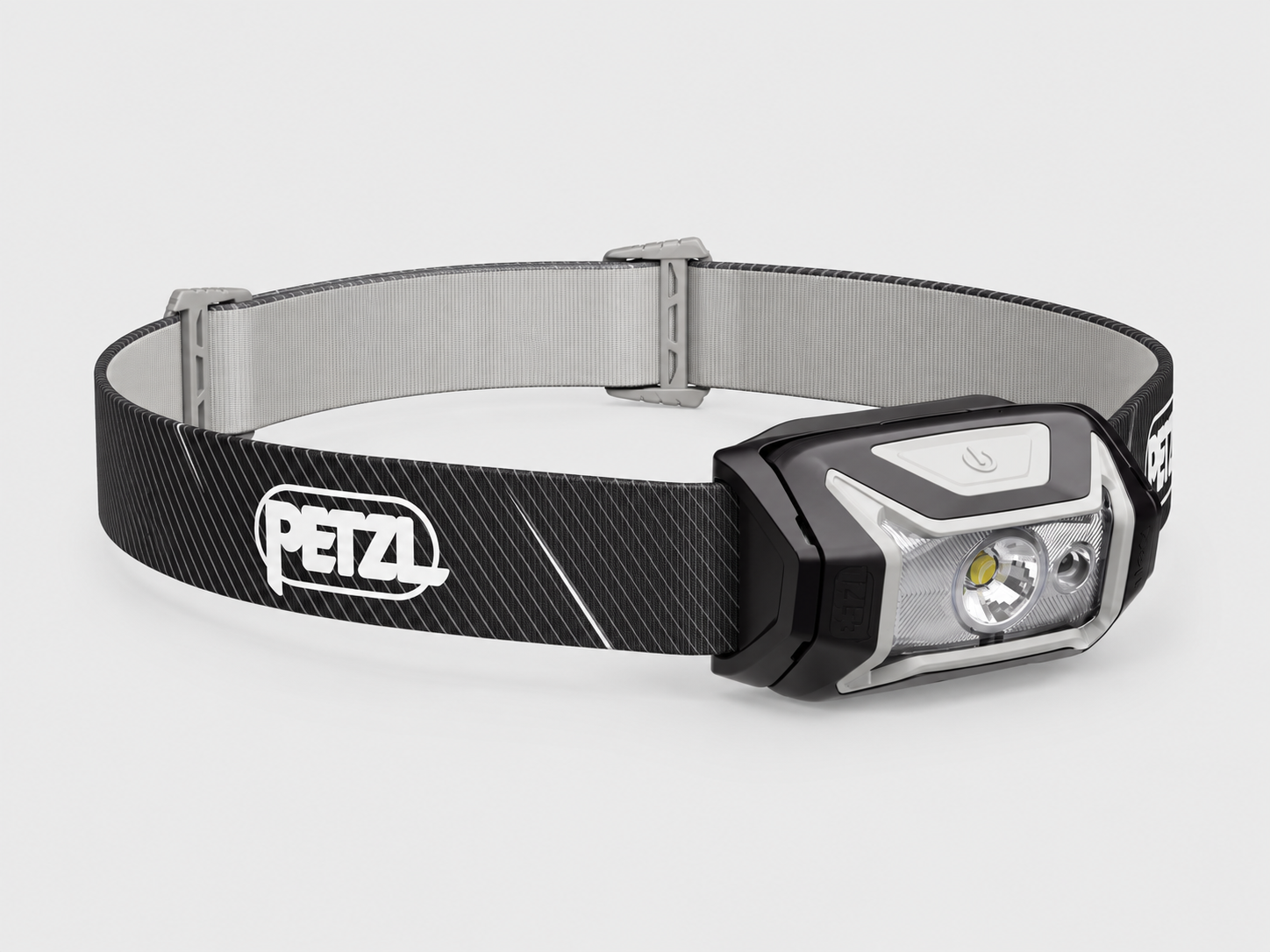
HEADLAMP
A headlamp allows participants to cook, organize gear, walk around camp, and use both hands after dark.
WHAT TO LOOK FOR
- Simple LED headlamp
- Comfortable adjustable strap
- Easy-to-use controls
- Fresh batteries or a full charge
You do not need a miniature lighthouse strapped to your forehead. A reliable basic headlamp is usually enough.
A FEW MORE ITEMS WORTH GETTING RIGHT.
These may not deserve an entire gear card, but they can make daily life on a trip noticeably easier.
Bring the number and capacity listed for your program. Choose durable bottles with secure lids and label them clearly.
Large enough to use comfortably, but compact enough to dry quickly and pack easily.
Sunscreen, sunglasses, a hat, lip protection, and sun-protective clothing may all appear on your packing list.
Optional. A small inflatable or compressible pillow works well, or use soft clothing inside a stuff sack.
When required, choose something lightweight, waterproof, durable, and easy to fold.
Useful for sun, sweat, hair, trail dust, and a surprising number of other jobs.
A few simple bags make organizing clothing, sleeping equipment, and personal gear much easier.
Rain jackets, towels, bottles, sandals, and headlamps can look remarkably similar once twelve teenagers own them.
DON’T BUY TECHNICAL GEAR BEFORE CHECKING THE LIST.
The Wild Traveler provides the group and technical equipment identified for each program. Depending on the trip, this may include tents, cooking equipment, first-aid supplies, activity equipment, safety equipment, and other shared gear.
Participants are responsible for bringing the personal clothing and equipment listed on their trip-specific packing list.
GEAR QUESTIONS? JUST ASK.
If you are unsure whether something you already own will work, send us a photo, product link, or basic specifications and we can help you figure it out.
If you have trouble finding something on the packing list, let us know. We may be able to help point you toward a good option or find another solution.
Start with your trip-specific packing list, bring what you need, and leave the rest at home.